

Introduction
The sun is the most powerful and abundant source of energy available to humanity. Every day, the Earth receives enough sunlight to meet global energy needs many times over. Solar energy technology allows us to capture this natural resource and convert it into clean, reliable electricity for homes, businesses, schools, hospitals, and industries.
As energy costs continue to rise and environmental concerns become more serious, solar power has emerged as one of the most effective solutions for achieving sustainability and energy independence. By installing solar panels, individuals and organizations can harness sunlight, reduce electricity expenses, and contribute to a cleaner environment.
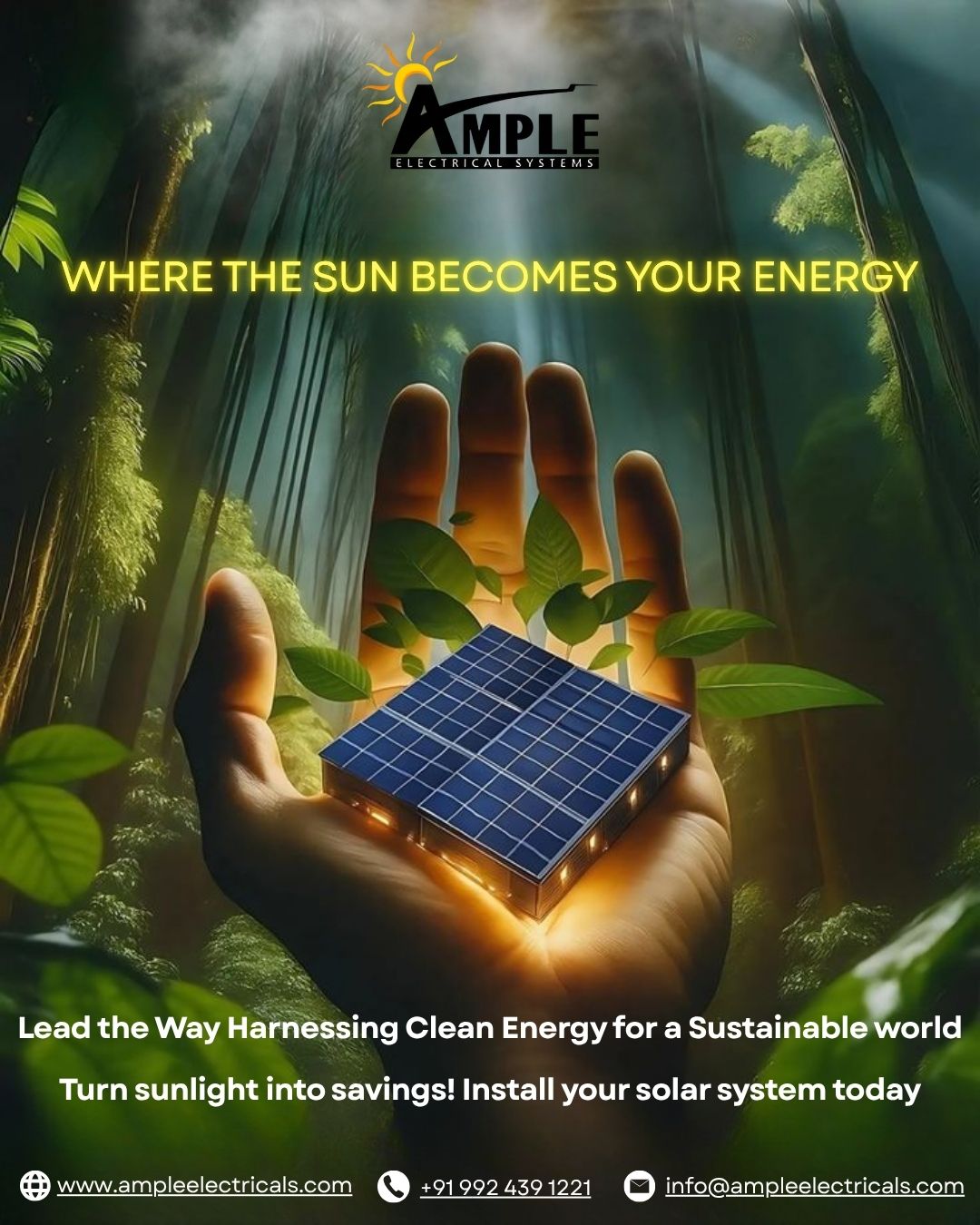
The phrase "Where the Sun Becomes Your Energy" perfectly represents the transformation of natural sunlight into practical, everyday power that supports modern living while protecting the planet for future generations.
Table of Contents
- Understanding Solar Energy
- Why Solar Energy is the Future
- Key Features of Solar Power Systems
- Benefits of Solar Energy
- Applications of Solar Energy
- Types of Solar Systems
- Solar Installation Process
- Environmental Impact of Solar Energy
- Cost Savings and Return on Investment
- Government Solar Incentives
- Frequently Asked Questions
- Conclusion
Understanding Solar Energy
What is Solar Energy?
Solar energy is generated by capturing sunlight and converting it into electricity through photovoltaic (PV) panels. These systems absorb solar radiation and transform it into usable electrical power for various applications.
How Solar Panels Work
Solar panels contain photovoltaic cells that generate electricity when exposed to sunlight. The generated direct current (DC) electricity is converted into alternating current (AC) by an inverter, making it suitable for powering appliances and equipment.
Why Solar Energy is the Future
Unlimited Energy Source
The sun provides an endless supply of renewable energy that can be utilized worldwide.
Growing Energy Demand
As global electricity consumption increases, solar energy offers a sustainable solution to meet future energy needs.
Reduced Environmental Impact
Solar power produces electricity without harmful emissions, helping combat climate change.
Technological Advancements
Modern solar technologies continue to improve efficiency, reliability, and affordability.
Key Features of Solar Power Systems
Renewable Energy Generation
Solar systems generate electricity using sunlight, a naturally replenishing resource.
Long Operational Life
Most solar panels are designed to perform efficiently for 25 to 30 years.
Low Maintenance Requirements
Solar installations require minimal maintenance and servicing.
Smart Energy Monitoring
Modern systems allow users to track energy generation and consumption in real time.
Reliable Performance
Solar technology delivers dependable energy production throughout the year.
Environment-Friendly Operation
Electricity generation occurs without releasing pollutants into the atmosphere.
Benefits of Solar Energy
| Benefit | Advantage |
|---|---|
| Lower Electricity Bills | Significant long-term savings |
| Renewable Energy | Sustainable power generation |
| Low Maintenance | Reduced operational expenses |
| Energy Independence | Less dependence on utility providers |
| Property Value Increase | Improved market appeal |
| Environmental Protection | Reduced carbon footprint |
Applications of Solar Energy
Residential Homes
Homeowners can lower electricity bills and achieve greater energy independence.
Commercial Buildings
Businesses can reduce operating expenses through solar power generation.
Schools and Educational Institutions
Solar systems help educational facilities lower utility costs and promote sustainability.
Hospitals and Healthcare Facilities
Hospitals benefit from reliable and cost-effective energy solutions.
Manufacturing Industries
Industrial facilities can significantly reduce production-related energy expenses.
Types of Solar Systems
| Solar System Type | Description |
|---|---|
| On-Grid Solar System | Connected to the utility grid |
| Off-Grid Solar System | Independent electricity generation |
| Hybrid Solar System | Combines grid connectivity and battery backup |
| Commercial Solar System | Designed for business and industrial applications |
Solar Installation Process
Site Evaluation
Experts assess roof conditions, sunlight exposure, and energy requirements.
System Design
A customized solar solution is created according to energy consumption needs.
Approval and Documentation
Necessary approvals and regulatory requirements are completed.
Installation
Solar panels, inverters, and supporting components are installed.
Testing and Commissioning
The system is thoroughly tested before activation.
Performance Monitoring
Continuous monitoring ensures optimal energy production.
Environmental Impact of Solar Energy
Reduction in Carbon Emissions
Solar power generates electricity without producing greenhouse gases.
Cleaner Air Quality
Replacing fossil fuel-generated electricity helps reduce air pollution.
Conservation of Natural Resources
Solar energy decreases dependence on non-renewable resources such as coal and natural gas.
Sustainable Development
Solar technology supports long-term environmental and economic sustainability.
Cost Savings and Return on Investment
| Factor | Benefit |
|---|---|
| Lower Utility Bills | Reduced monthly expenses |
| Long Equipment Life | Decades of energy generation |
| Government Incentives | Reduced installation costs |
| Minimal Maintenance | Lower operating expenses |
| High ROI | Faster recovery of investment |
Most solar installations recover their cost within 4–7 years and continue generating savings for decades.
Government Solar Incentives
The Government of India encourages solar adoption through various renewable energy programs and rooftop solar initiatives.
Benefits may include:
- Residential solar subsidies
- Net metering facilities
- Reduced installation costs
- Clean energy incentives
- Long-term energy savings
Official Government Resources:
PM Surya Ghar Yojana
Ministry of New and Renewable Energy (MNRE)
Frequently Asked Questions (FAQ)
Why is solar energy considered clean energy?
Solar energy generates electricity without producing harmful emissions or air pollutants.
How long do solar panels last?
Most high-quality solar panels have a lifespan of 25–30 years.
Can solar panels work during cloudy weather?
Yes, solar panels continue generating electricity, although output may be lower.
Is solar energy suitable for businesses?
Yes. Commercial and industrial facilities can significantly reduce energy costs through solar installations.
What maintenance do solar panels require?
Periodic cleaning and routine inspections are generally sufficient.
Can solar energy reduce electricity bills?
Yes. Many users experience substantial reductions in monthly electricity expenses.
Is solar power a good investment?
Solar energy provides long-term savings, environmental benefits, and excellent return on investment.
Can solar systems increase property value?
Yes. Properties equipped with solar installations often attract higher market value.
Conclusion
Solar energy represents one of the most powerful solutions for meeting today's energy needs while protecting the environment. By converting sunlight into electricity, solar systems provide clean, reliable, and cost-effective power for homes, businesses, schools, hospitals, and industries.
"Where the Sun Becomes Your Energy" is more than a slogan—it reflects a future where renewable energy powers daily life, reduces pollution, lowers electricity bills, and supports sustainable development. Investing in solar energy today means embracing a cleaner, greener, and more energy-efficient tomorrow while enjoying long-term financial and environmental benefits.