
Table of Contents
- Introduction
- Why Solar Energy Is a Profitable Investment
- Key Features of Residential Solar Systems
- Benefits of Solar Energy for Homeowners
- How Solar Panels Reduce Electricity Bills
- Understanding Solar Return on Investment (ROI)
- Components of a Solar Power System
- Solar System Specifications
- Installation Process
- Why Choose Solar Energy Today
- Frequently Asked Questions
- Conclusion
Introduction
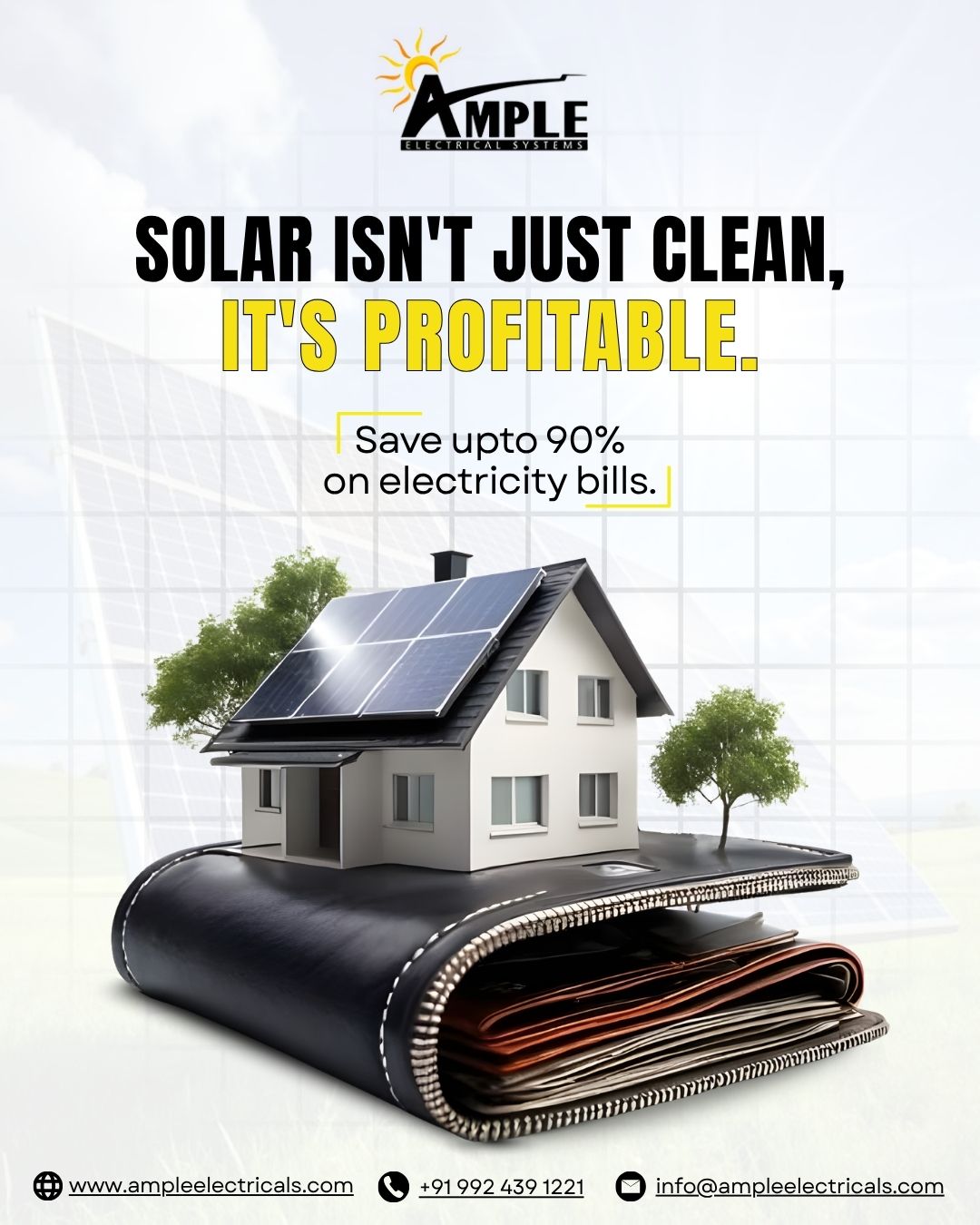
Solar energy has become one of the most profitable and sustainable investments for homeowners and businesses alike. While many people choose solar power because it is environmentally friendly, the financial benefits are equally impressive. Modern solar systems can significantly reduce dependence on grid electricity and help users save up to 90% on their electricity bills.
With increasing energy costs and growing awareness of renewable energy solutions, solar power has emerged as a practical way to achieve long-term savings while contributing to a cleaner environment. A single investment in a solar energy system can provide decades of reliable energy generation and financial returns.
Why Solar Energy Is a Profitable Investment
Unlike conventional electricity expenses that continue month after month, solar energy offers a long-term solution that generates savings year after year.
Lower Monthly Electricity Expenses
Solar panels generate electricity directly from sunlight, reducing the amount of power purchased from utility providers.
Long-Term Financial Benefits
Most solar systems continue producing electricity efficiently for 25 to 30 years or more, creating substantial lifetime savings.
Protection Against Rising Energy Costs
Electricity prices typically increase over time. Solar energy helps protect homeowners from future tariff hikes.
Strong Return on Investment
The savings generated through reduced electricity bills often allow users to recover their investment within a few years.
Key Features of Residential Solar Systems
| Feature | Description |
|---|---|
| Renewable Energy Source | Generates electricity using sunlight |
| Cost Reduction | Significantly lowers electricity expenses |
| Long Operational Life | 25–30+ years of performance |
| Low Maintenance | Requires minimal upkeep |
| Eco-Friendly Technology | Produces clean energy with zero emissions |
| Energy Independence | Reduces dependence on utility companies |
| Scalable Design | Suitable for homes of various sizes |
| Smart Monitoring | Tracks system performance and energy generation |
Benefits of Solar Energy for Homeowners
Save Up to 90% on Electricity Bills
One of the biggest advantages of solar power is the significant reduction in monthly electricity expenses.
Environmentally Friendly Energy
Solar systems generate clean electricity without harmful greenhouse gas emissions.
Increased Property Value
Homes equipped with solar systems often attract buyers seeking energy-efficient properties.
Reliable Power Generation
Solar panels provide consistent energy production throughout their lifespan.
Low Operating Costs
After installation, maintenance costs remain relatively low compared to traditional energy expenses.
How Solar Panels Reduce Electricity Bills
Solar panels capture sunlight and convert it into usable electricity. The generated power is used to run household appliances, lighting systems, and electronic devices.
Daytime Energy Generation
During daylight hours, solar panels generate electricity that can directly power the home.
Reduced Grid Dependence
The more solar energy produced, the less electricity is required from the utility provider.
Long-Term Savings
Over time, accumulated energy savings can amount to several times the initial system investment.
Understanding Solar Return on Investment (ROI)
Solar power is often considered one of the most effective long-term investments available for homeowners.
| Investment Factor | Benefit |
|---|---|
| Reduced Utility Bills | Immediate monthly savings |
| Long Equipment Lifespan | Decades of energy production |
| Low Maintenance Costs | Minimal annual expenses |
| Energy Cost Protection | Less impact from future rate increases |
| Property Value Enhancement | Increased market appeal |
Components of a Solar Power System
A complete solar energy solution typically includes:
| Component | Function |
|---|---|
| Solar Panels | Convert sunlight into electricity |
| Solar Inverter | Converts DC power into AC power |
| Mounting Structure | Supports rooftop installation |
| Electrical Wiring | Transfers generated electricity |
| Monitoring System | Tracks system performance |
| Battery Storage (Optional) | Stores excess energy for later use |
Solar System Specifications
| Specification | Details |
|---|---|
| Energy Source | Solar Radiation |
| Installation Type | Rooftop Solar System |
| Lifespan | 25–30+ Years |
| Maintenance Requirement | Low |
| Carbon Emissions | Zero During Operation |
| Application | Residential & Commercial |
| Energy Savings | Up to 90% (depending on usage and system size) |
| ROI Potential | High Long-Term Returns |
Installation Process
Site Evaluation
Professionals assess roof conditions, sunlight availability, and energy requirements.
Customized System Design
A solar solution is designed according to the property's energy consumption needs.
Professional Installation
Solar panels, inverters, and supporting structures are installed safely and efficiently.
Testing and Activation
The system is tested to ensure optimal performance before energy generation begins.
Continuous Energy Production
Once operational, the system continuously generates clean electricity for years.
Why Choose Solar Energy Today
Solar energy offers a combination of environmental sustainability and financial profitability. It reduces electricity expenses, increases energy independence, and provides a reliable source of renewable power.
As energy prices continue to rise, investing in solar technology today can help secure long-term savings and create a more sustainable future.
Frequently Asked Questions (FAQ)
How much can I save with a solar power system?
Savings depend on energy usage and system size, but many homeowners experience substantial reductions in electricity bills, sometimes up to 90%.
How long do solar panels last?
Most high-quality solar panels are designed to last 25–30 years or longer.
Do solar panels work on cloudy days?
Yes, solar panels continue generating electricity during cloudy conditions, although output may be reduced.
Is solar energy suitable for residential properties?
Yes, solar systems are widely used in homes to reduce energy costs and improve sustainability.
Does a solar system require frequent maintenance?
No. Regular cleaning and occasional inspections are usually sufficient.
Is solar power environmentally friendly?
Yes, solar energy is one of the cleanest renewable energy sources available.
Can solar panels increase property value?
Many buyers consider solar-equipped homes more attractive because of lower operating costs.
Conclusion
Solar energy is no longer just an environmentally responsible choice—it is also a highly profitable investment. By installing a rooftop solar system, homeowners can dramatically reduce electricity expenses, improve energy independence, and enjoy reliable clean power for decades. With low maintenance requirements, strong long-term returns, and the potential to save up to 90% on electricity bills, solar power represents one of the smartest investments for a sustainable and financially secure future.