

Table of Contents
- Introduction
- Why Solar Energy is a Smart Investment
- Key Features of Residential Solar Systems
- Benefits of Installing Solar Panels
- How Solar Energy Saves Money Over Time
- Solar System Components
- Residential Solar System Specifications
- Solar Installation Process
- Why Choose Solar Energy for Your Home
- Frequently Asked Questions
- Conclusion
Introduction
With rising electricity costs and growing environmental concerns, homeowners are increasingly turning toward solar energy as a reliable and cost-effective power solution. A rooftop solar system converts sunlight into electricity, allowing households to reduce their dependence on conventional power sources while significantly lowering monthly energy expenses.
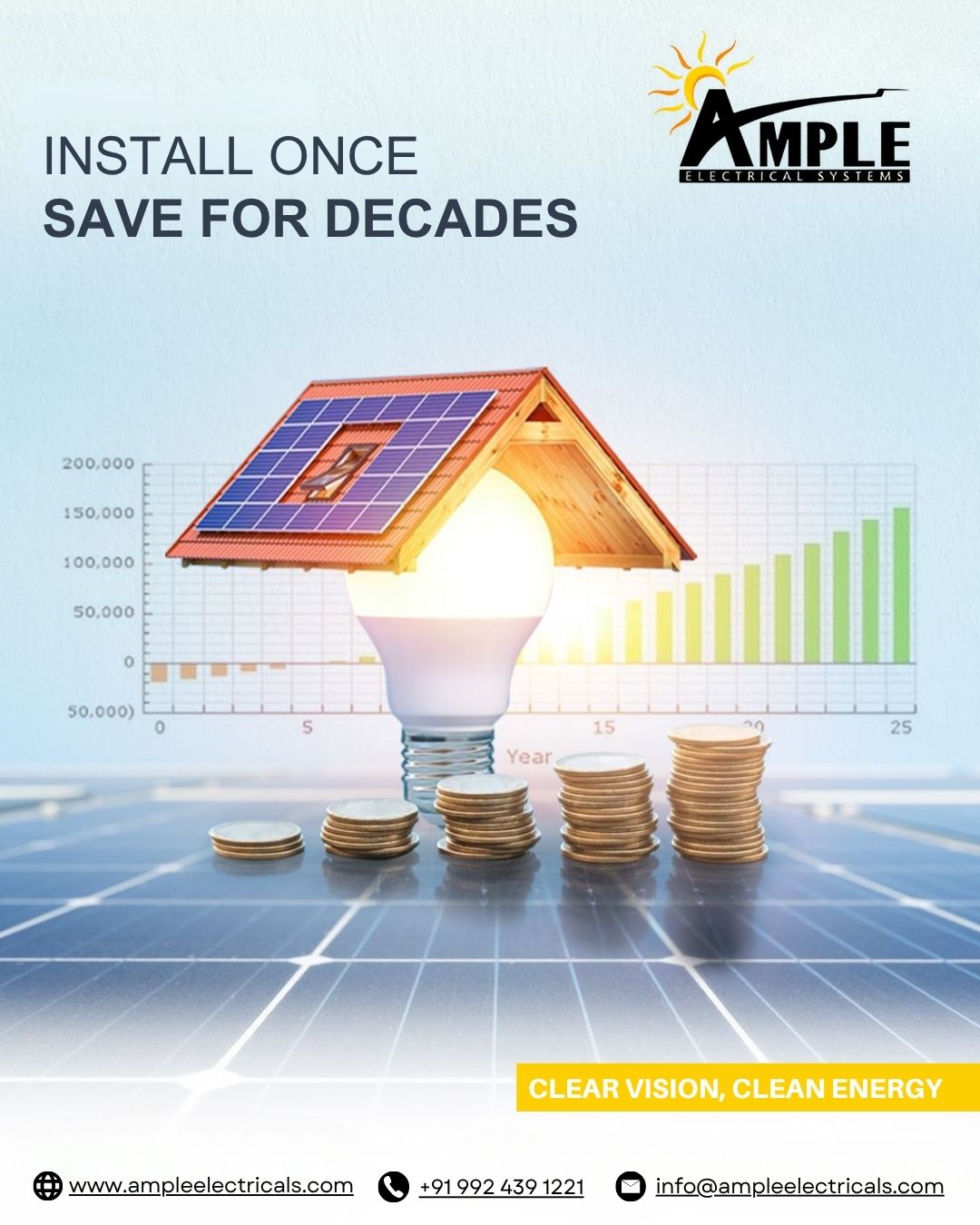
The concept is simple: install a solar system once and enjoy clean, renewable energy for decades. Modern solar technology offers excellent durability, low maintenance requirements, and long-term financial savings, making it one of the smartest investments for residential properties.
Why Solar Energy is a Smart Investment
Solar energy is not just an environmentally friendly choice; it is also a financially rewarding investment. Unlike traditional electricity bills that continue indefinitely, a solar power system provides ongoing savings after installation.
Homeowners can generate their own electricity, reduce utility expenses, and protect themselves from future increases in energy costs. Over the lifespan of the system, the total savings can far exceed the initial installation investment.
Key Features of Residential Solar Systems
| Feature | Description |
|---|---|
| Renewable Energy Source | Uses sunlight to generate electricity |
| Long Lifespan | Typically lasts 25–30 years or more |
| Low Maintenance | Requires minimal servicing |
| Cost Savings | Reduces monthly electricity bills |
| Eco-Friendly | Produces clean energy without emissions |
| Energy Independence | Reduces reliance on grid electricity |
| Increased Property Value | Enhances home market appeal |
| Scalable System Design | Can be customized based on energy needs |
Benefits of Installing Solar Panels
Significant Electricity Savings
Solar panels generate electricity during daylight hours, helping homeowners offset their utility bills and reduce monthly expenses.
Long-Term Return on Investment
A well-designed solar system continues producing energy for decades, providing substantial savings throughout its operational life.
Environmentally Friendly Energy
Solar power reduces carbon emissions and dependence on fossil fuels, contributing to a cleaner and greener future.
Increased Home Value
Properties equipped with solar systems often attract buyers looking for energy-efficient homes and lower operating costs.
Energy Security
Solar systems help protect homeowners from fluctuating electricity prices and provide greater control over energy consumption.
How Solar Energy Saves Money Over Time
One of the biggest advantages of solar power is its ability to generate long-term financial benefits.
Reduced Electricity Bills
Every unit of solar electricity produced is one less unit purchased from the utility provider.
Protection Against Rising Energy Costs
Electricity rates tend to increase over time. Solar energy helps homeowners avoid the impact of future tariff hikes.
Minimal Operating Costs
Once installed, solar systems require very little maintenance, making them highly cost-effective over their lifespan.
Decades of Reliable Performance
Modern solar panels are designed to perform efficiently for 25 years or more, ensuring consistent energy production and savings.
Solar System Components
A residential solar power system generally consists of:
| Component | Function |
|---|---|
| Solar Panels | Convert sunlight into electricity |
| Solar Inverter | Converts DC power into usable AC power |
| Mounting Structure | Secures panels on the roof |
| Electrical Wiring | Transfers generated electricity |
| Monitoring System | Tracks energy production and performance |
| Battery Storage (Optional) | Stores excess electricity for later use |
Residential Solar System Specifications
| Parameter | Details |
|---|---|
| Energy Source | Sunlight |
| Installation Type | Rooftop Solar System |
| Panel Lifespan | 25–30+ Years |
| Maintenance Requirement | Low |
| Operating Cost | Minimal |
| Environmental Impact | Clean & Renewable |
| Application | Residential Homes, Villas, Apartments |
| Savings Potential | High Long-Term Savings |
Solar Installation Process
Site Assessment
Experts evaluate roof space, sunlight availability, and energy consumption requirements.
System Design
A customized solar solution is designed based on household energy needs.
Installation
Solar panels, mounting structures, and electrical components are installed by professionals.
Testing and Commissioning
The system undergoes safety checks and performance testing before activation.
Energy Generation
Once operational, the system begins producing clean electricity for everyday household use.
Why Choose Solar Energy for Your Home
Choosing solar energy means investing in long-term savings, sustainability, and energy independence. Homeowners can enjoy reduced electricity costs, lower carbon footprints, and reliable power generation for decades.
Whether for environmental responsibility or financial benefits, solar power remains one of the most practical and future-ready energy solutions available today.
Frequently Asked Questions (FAQ)
How long do solar panels last?
Most high-quality solar panels have a lifespan of 25 to 30 years or more with proper maintenance.
Can solar panels reduce electricity bills?
Yes. Solar panels generate electricity that can significantly lower monthly utility expenses.
Do solar systems require regular maintenance?
Solar systems require very little maintenance. Occasional cleaning and routine inspections are usually sufficient.
Is solar energy environmentally friendly?
Yes. Solar power generates clean electricity without producing harmful emissions.
Can solar panels work during cloudy weather?
Yes. Solar panels continue generating electricity during cloudy conditions, although output may be reduced.
Is rooftop solar suitable for residential homes?
Yes. Rooftop solar systems are specifically designed to meet household energy requirements efficiently.
What is the return on investment for solar systems?
The ROI depends on system size, energy usage, and local electricity rates, but most homeowners recover their investment through long-term energy savings.
Conclusion
Solar energy is a smart, sustainable, and cost-effective solution for modern homeowners. By installing a residential solar power system, you can reduce electricity bills, increase energy independence, and contribute to a cleaner environment. With a lifespan spanning decades and minimal maintenance requirements, solar panels offer outstanding long-term value. If you are looking for a reliable energy solution that combines savings with sustainability, solar power is an investment worth making today.