
Introduction
As electricity costs continue to rise and environmental concerns become increasingly important, solar energy has emerged as one of the most reliable and cost-effective solutions for homes, businesses, and industries. In Vadodara, the adoption of solar energy systems is growing rapidly due to abundant sunlight, government incentives, and the need for sustainable energy alternatives.
Smart solar energy solutions provide an excellent opportunity to reduce electricity bills, achieve energy independence, and contribute to a greener future. Whether you are a homeowner looking to lower monthly expenses or a business seeking long-term operational savings, investing in solar power can deliver substantial benefits.
This guide covers everything you need to know about solar energy systems in Vadodara, including their advantages, key features, installation process, government subsidies, and frequently asked questions.
Table of Contents (TOC)
- Introduction to Solar Energy Solutions
- Why Choose Solar Energy in Vadodara?
- Key Features of Smart Solar Energy Systems
- Types of Solar Energy Systems
- Benefits of Installing Solar Panels
- Solar Installation Process
- Government Subsidies and Incentives
- Solar System Capacity Guide
- Cost Savings Analysis
- Maintenance Requirements
- Why Choose Professional Solar Installation?
- Frequently Asked Questions (FAQ)
- Conclusion
Introduction to Solar Energy Solutions
Solar energy is generated by converting sunlight into electricity using photovoltaic (PV) panels. These panels absorb sunlight and transform it into usable electrical power for homes, offices, factories, and commercial establishments.
Vadodara's favorable climate conditions make it an ideal location for solar energy generation throughout the year. With over 300 sunny days annually, solar systems can generate substantial electricity and significantly reduce dependence on conventional power sources.
Modern solar energy systems incorporate advanced technologies that maximize energy production, enhance efficiency, and ensure long-term reliability. These systems are designed to provide clean energy while reducing carbon emissions and electricity expenses.
Why Choose Solar Energy in Vadodara?
Vadodara offers excellent conditions for solar power generation due to:
- High solar irradiation levels
- Favorable weather conditions
- Government support and subsidies
- Increasing electricity tariffs
- Environmental sustainability goals
- Quick return on investment
Solar energy allows residents and businesses to generate their own electricity while reducing dependence on grid power.
Key Features of Smart Solar Energy Systems
1. High-Efficiency Solar Panels
Modern solar panels are designed to convert maximum sunlight into electricity, ensuring higher power generation.
2. Long Operational Life
Quality solar panels can operate efficiently for 25 years or more with minimal degradation.
3. Low Maintenance
Solar systems require limited maintenance, making them a cost-effective energy solution.
4. Environment-Friendly
Solar power produces clean energy without harmful emissions or pollution.
5. Smart Monitoring
Advanced systems provide real-time monitoring through mobile applications and web platforms.
6. Battery Backup Options
Energy storage systems allow electricity usage even during power outages.
7. Net Metering Support
Users can export excess electricity to the grid and receive credits on utility bills.
Types of Solar Energy Systems
| Solar System Type | Description | Best For |
|---|---|---|
| On-Grid Solar System | Connected to utility grid | Homes & Businesses |
| Off-Grid Solar System | Independent power generation | Remote Areas |
| Hybrid Solar System | Grid + Battery Backup | Continuous Power Supply |
| Commercial Solar System | Large-scale installations | Industries & Offices |
Benefits of Installing Solar Panels
| Benefit | Advantage |
|---|---|
| Reduced Electricity Bills | Significant monthly savings |
| Renewable Energy | Unlimited energy source |
| Low Maintenance | Minimal upkeep costs |
| Increased Property Value | Enhances property attractiveness |
| Energy Independence | Reduced reliance on utility providers |
| Environmental Protection | Lower carbon footprint |
Solar Installation Process
Step 1: Site Survey
Experts inspect the property and evaluate roof conditions.
Step 2: Energy Assessment
Electricity consumption patterns are analyzed.
Step 3: System Design
A customized solar solution is designed based on energy requirements.
Step 4: Approval Process
Necessary approvals and documentation are completed.
Step 5: Installation
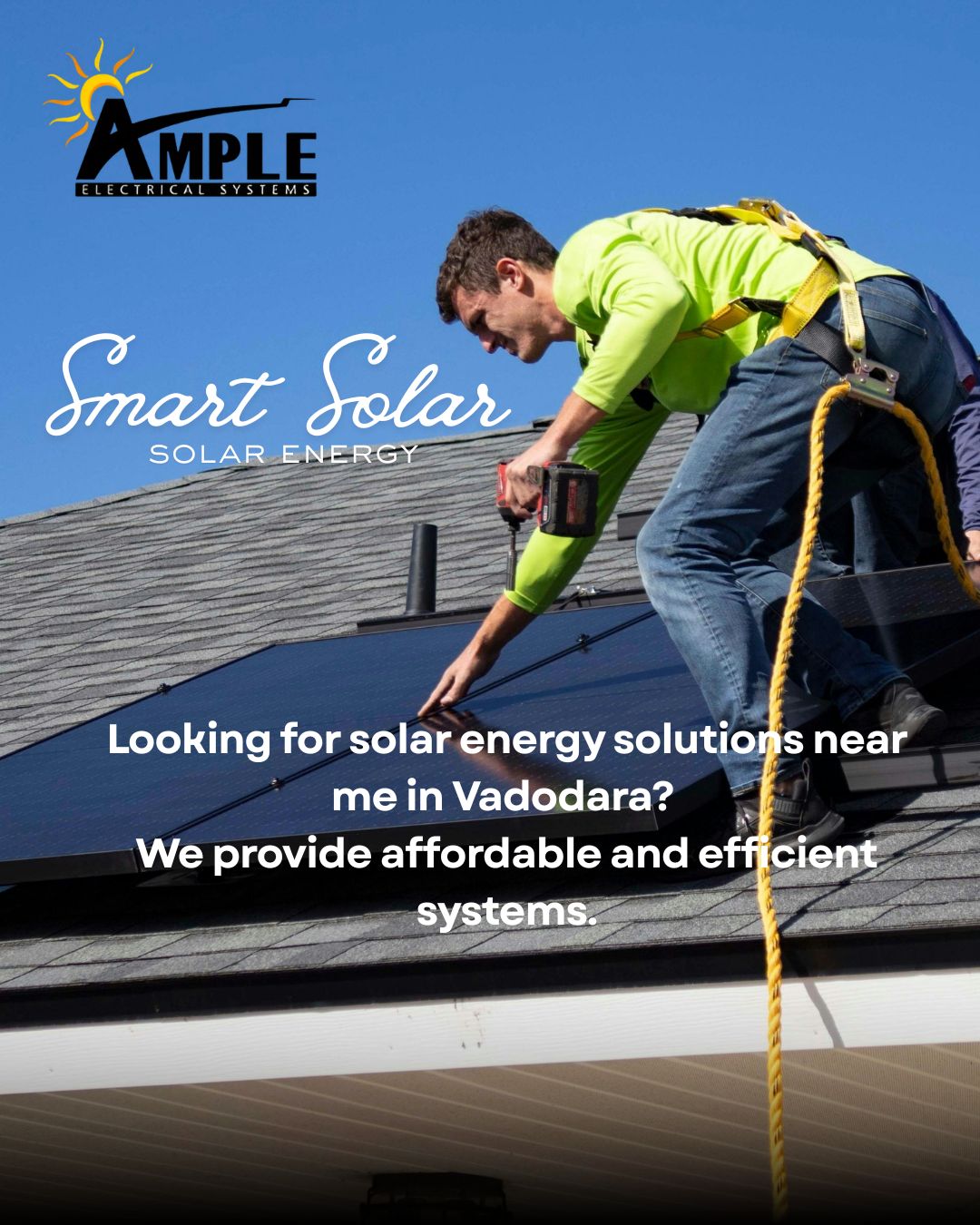
Solar panels, inverters, and accessories are installed.
Step 6: Testing & Commissioning
The system is tested and activated.
Step 7: Monitoring & Maintenance
Regular monitoring ensures optimal performance.
Solar System Capacity Guide
| Monthly Electricity Consumption | Recommended Solar Capacity |
|---|---|
| Up to 200 Units | 1–2 kW |
| 200–400 Units | 3 kW |
| 400–600 Units | 5 kW |
| 600–1000 Units | 7–10 kW |
| Above 1000 Units | Custom Solution |
Cost Savings Analysis
A properly installed solar energy system can reduce electricity bills by up to 70%–90%, depending on consumption patterns and system capacity.
For residential users, the payback period typically ranges from 4 to 7 years, while commercial users often achieve faster returns due to higher energy consumption.
After the recovery period, the electricity generated is essentially free for the remaining lifespan of the system.
Government Subsidies and Incentives
The Government of India actively promotes rooftop solar adoption through various subsidy programs.
Benefits may include:
- Financial assistance for residential installations
- Net metering facilities
- Tax benefits for eligible businesses
- Reduced overall project cost
For latest solar subsidy information, refer to:
PM Surya Ghar Yojana Official Portal
MNRE (Ministry of New and Renewable Energy)
Maintenance Requirements
To ensure maximum efficiency:
- Clean panels regularly.
- Remove dust and debris.
- Monitor inverter performance.
- Schedule annual inspections.
- Check electrical connections periodically.
Proper maintenance helps maintain high energy output throughout the system's lifespan.
Why Choose Professional Solar Installation?
Professional solar installation ensures:
- Correct system sizing
- Maximum energy generation
- Safety compliance
- Quality components
- Warranty support
- Long-term reliability
Experienced installers help customers achieve the highest return on investment while ensuring system efficiency.
Frequently Asked Questions (FAQ)
Q1. How much can I save with solar panels?
Most users save between 70% and 90% on electricity bills depending on system size and usage.
Q2. How long do solar panels last?
Quality solar panels typically last 25–30 years.
Q3. Does solar work during cloudy weather?
Yes, solar panels continue generating electricity, although output may be reduced.
Q4. Is maintenance expensive?
No. Solar systems generally require minimal maintenance.
Q5. Can I sell excess electricity back to the grid?
Yes, through net metering programs where available.
Q6. Is solar suitable for commercial buildings?
Absolutely. Commercial installations often achieve significant long-term savings.
Q7. What is the payback period for solar systems?
Generally between 4 and 7 years depending on usage and installation cost.
Q8. Can solar systems operate during power cuts?
Hybrid and battery-backed systems can provide electricity during outages.
Conclusion
Smart solar energy solutions are transforming the way homes and businesses in Vadodara consume electricity. With rising energy costs, government support, and advancements in solar technology, investing in a solar power system has become a practical and financially rewarding decision.
Whether you need a residential rooftop installation, commercial solar solution, or industrial-scale energy system, solar power offers long-term savings, environmental benefits, and energy independence. By choosing a professionally designed and installed solar energy system, you can enjoy reliable, clean, and affordable electricity for decades while contributing to a sustainable future.