

Table of Contents
- Introduction
- Why Renewable Energy Matters
- What is Solar Energy?
- Key Features of Solar Power Systems
- Benefits of Switching to Renewable Energy
- Environmental Impact of Solar Energy
- Comparison Table: Traditional Energy vs Solar Energy
- Why Businesses Should Invest in Solar Power
- How Ample Electrical Systems Supports Sustainable Energy Solutions
- Frequently Asked Questions (FAQs)
- Conclusion
Introduction
The world is facing increasing environmental challenges, including climate change, air pollution, and the depletion of natural resources. Traditional energy sources such as coal, oil, and natural gas contribute significantly to greenhouse gas emissions.
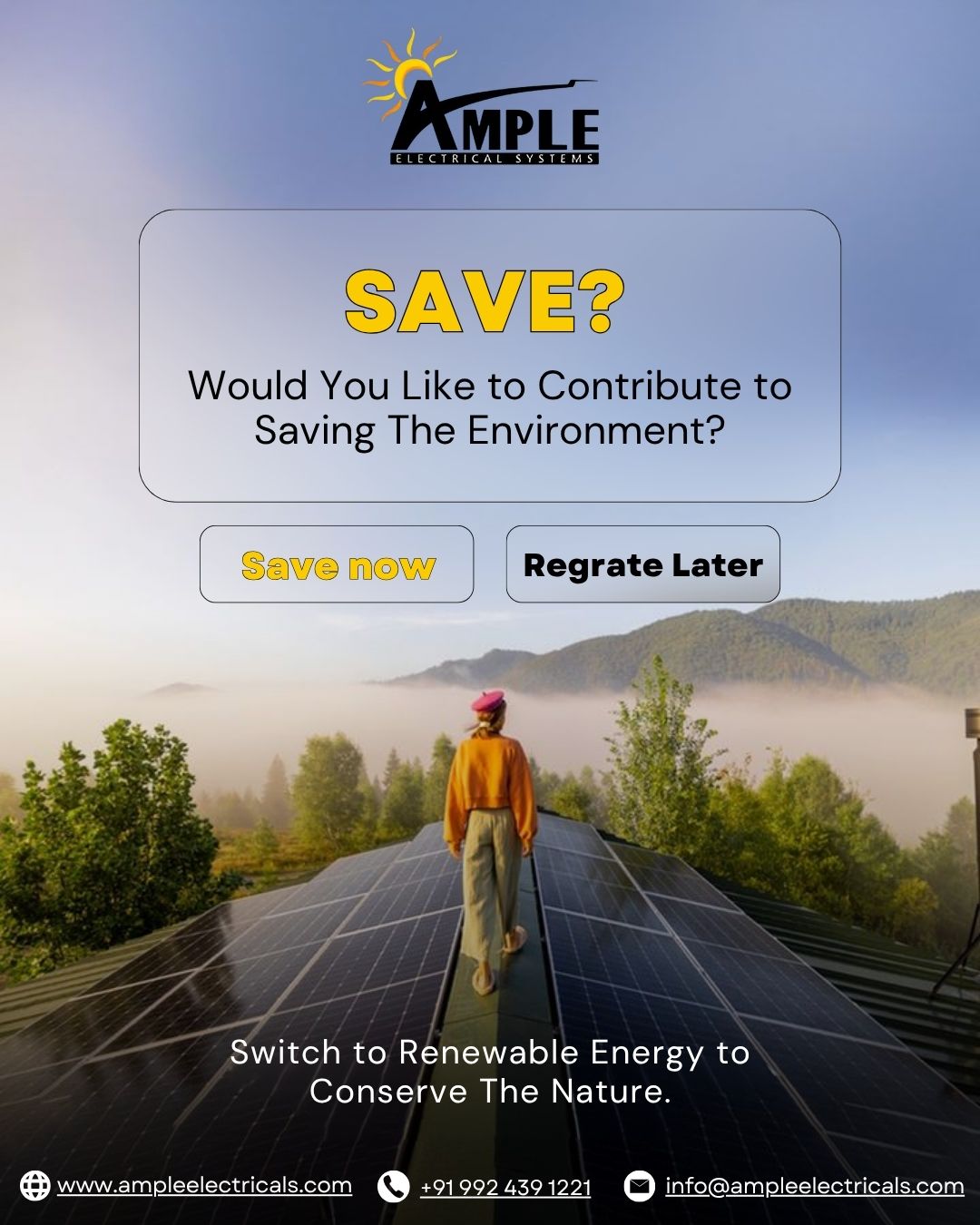
Renewable energy offers a cleaner alternative. Among all renewable energy sources, solar power has emerged as one of the most accessible and efficient options. By harnessing sunlight, solar energy systems generate electricity without producing harmful emissions, helping individuals and businesses reduce their environmental footprint.
Making the switch to renewable energy is not just about saving money—it's about contributing to a healthier planet for future generations.
Why Renewable Energy Matters
Renewable energy sources are naturally replenished and do not run out like fossil fuels. They help reduce dependence on non-renewable resources while minimizing environmental damage.
Major reasons renewable energy is important include:
- Reduces carbon emissions
- Improves air quality
- Conserves natural resources
- Lowers electricity costs over time
- Creates sustainable energy independence
- Supports global climate goals
Renewable energy is a critical component of building a sustainable future.
What is Solar Energy?
Solar energy is the power generated from sunlight using photovoltaic (PV) panels. These panels convert sunlight into electricity that can be used to power homes, offices, factories, and commercial facilities.
Solar systems typically include:
- Solar panels
- Inverters
- Mounting structures
- Batteries (optional)
- Monitoring systems
Solar power systems can operate efficiently for 25 years or more with minimal maintenance.
Key Features of Solar Power Systems
| Feature | Benefit |
|---|---|
| Renewable Source | Unlimited energy from sunlight |
| Eco-Friendly | No harmful emissions |
| Low Maintenance | Minimal servicing required |
| Long Lifespan | 25+ years of performance |
| Cost Savings | Reduced electricity bills |
| Energy Independence | Less reliance on grid power |
| Scalable Installation | Suitable for homes and businesses |
| Silent Operation | No noise pollution |
Benefits of Switching to Renewable Energy
Lower Electricity Bills
Solar energy significantly reduces monthly electricity expenses by generating power directly from sunlight.
Reduced Carbon Footprint
Solar systems produce clean electricity without releasing greenhouse gases.
Increased Property Value
Properties equipped with solar installations often have higher market value.
Energy Security
Generating your own electricity reduces dependency on fluctuating utility rates.
Government Incentives
Many regions offer subsidies, tax benefits, and incentives for adopting renewable energy solutions.
Environmental Impact of Solar Energy
Solar energy contributes positively to environmental conservation in several ways:
Reduction in Greenhouse Gas Emissions
Unlike fossil fuels, solar power generation does not emit carbon dioxide during operation.
Conservation of Natural Resources
Solar energy reduces the need for extracting and burning finite resources such as coal and oil.
Improved Air Quality
Cleaner energy means fewer pollutants entering the atmosphere.
Water Conservation
Traditional power plants consume large amounts of water, whereas solar systems require minimal water for operation.
Sustainable Future
Widespread adoption of solar power supports global sustainability initiatives and environmental protection efforts.
Comparison Table: Traditional Energy vs Solar Energy
| Parameter | Traditional Energy | Solar Energy |
|---|---|---|
| Fuel Requirement | Coal, Oil, Gas | Sunlight |
| Carbon Emissions | High | Very Low |
| Operating Cost | High | Low |
| Maintenance | Moderate to High | Low |
| Resource Availability | Limited | Unlimited |
| Environmental Impact | Significant | Minimal |
| Long-Term Savings | Limited | High |
| Sustainability | Low | High |
Why Businesses Should Invest in Solar Power
Businesses can achieve significant operational and environmental benefits by adopting solar energy.
Advantages include:
- Reduced operating costs
- Improved corporate sustainability
- Enhanced brand reputation
- Protection from rising energy prices
- Better return on investment (ROI)
- Compliance with environmental standards
Investing in renewable energy demonstrates a commitment to responsible business practices while improving profitability.
How Ample Electrical Systems Supports Sustainable Energy Solutions
Ample Electrical Systems provides advanced renewable energy solutions designed to help customers transition to cleaner and more efficient power systems.
Their focus includes:
- Professional solar energy installations
- Energy-efficient electrical solutions
- Reliable system maintenance
- Customized renewable energy projects
- Sustainable power management services
By partnering with experienced professionals, customers can maximize the benefits of solar technology and achieve long-term energy savings.
Frequently Asked Questions (FAQs)
What is renewable energy?
Renewable energy comes from naturally replenished sources such as sunlight, wind, water, and biomass.
Why is solar energy considered environmentally friendly?
Solar energy generates electricity without producing harmful emissions or air pollutants.
How long do solar panels last?
Most solar panels have a lifespan of 25 to 30 years with proper maintenance.
Can solar power reduce electricity bills?
Yes, solar energy can significantly lower electricity costs by generating your own power.
Is solar energy suitable for businesses?
Absolutely. Commercial solar systems can help businesses reduce operating costs and improve sustainability.
Does solar power work on cloudy days?
Yes, solar panels continue to generate electricity during cloudy weather, although efficiency may be reduced.
Is maintenance required for solar panels?
Solar panels require minimal maintenance, mainly periodic cleaning and inspections.
Conclusion
Renewable energy is one of the most effective solutions for addressing environmental challenges while creating long-term economic benefits. Solar power, in particular, offers a clean, sustainable, and cost-efficient alternative to traditional energy sources.
By switching to renewable energy, individuals and businesses can reduce carbon emissions, lower electricity costs, and contribute to environmental conservation. Investing in solar energy today is an investment in a cleaner, greener, and more sustainable future.
Choose renewable energy. Save the environment. Conserve nature for generations to come.