

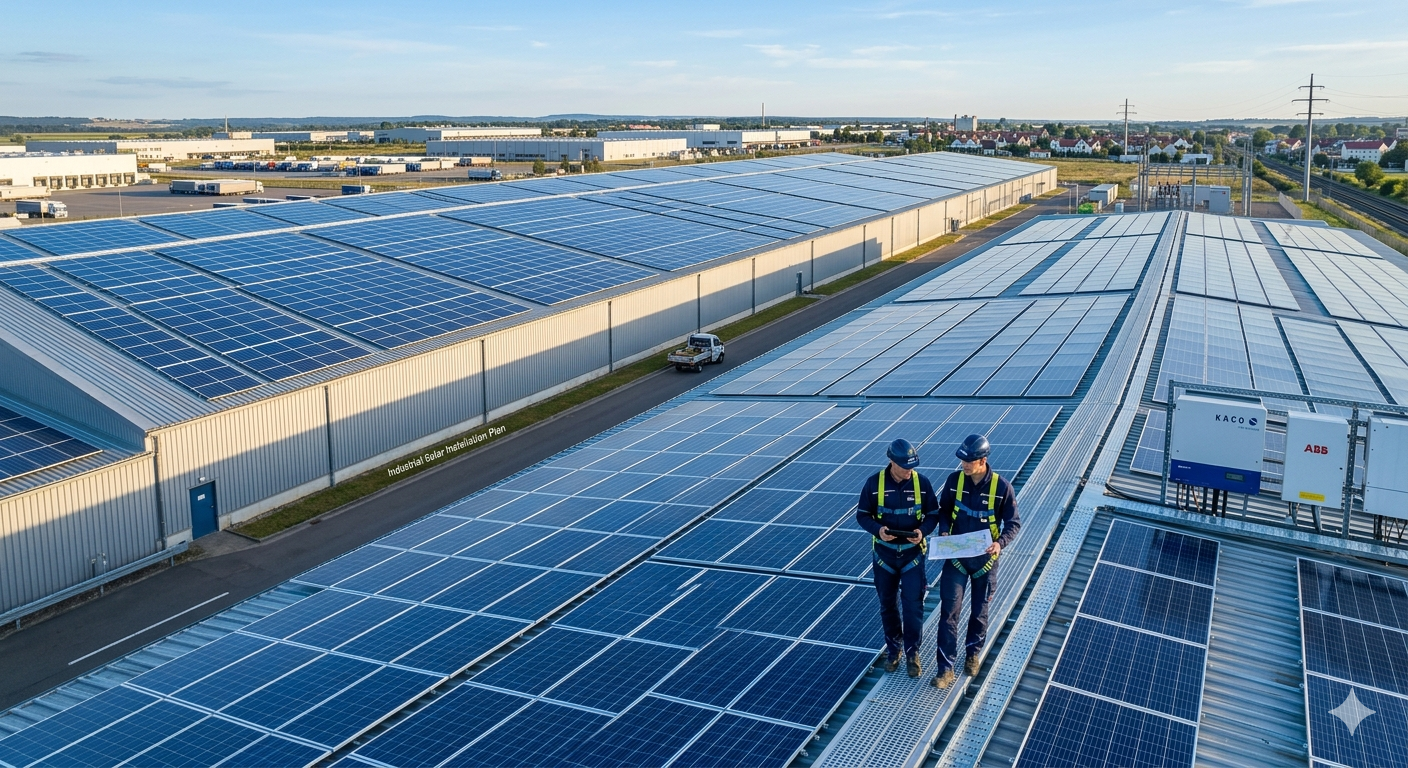
Why Vadodara Industries are Turning to Solar
In the competitive industrial landscape of Vadodara, electricity is often the highest recurring operational cost. Whether you are in manufacturing, chemicals, or pharmaceuticals, rising grid tariffs directly impact your profit margins. In 2026, Industrial Solar Panel Installation in Vadodara has transitioned from a "green choice" to a critical financial strategy for sustainable growth.
1. The Financial Impact on Profitability
For a large-scale factory, a solar system isn't just about saving the planet—it’s about the bottom line:
Cost Per Unit: While industrial grid tariffs in Gujarat can be high, solar energy costs effectively drop to ?2–?3 per unit over the system's 25-year lifespan.
Rapid ROI: Most industrial systems in Vadodara see a full Return on Investment within 3 to 4 years.
Operational Stability: Lock in your energy costs for two decades, protecting your business from the 5%–10% annual hikes in grid electricity prices.
2. Exclusive Tax & Financial Benefits for Businesses
Industrial installations in Gujarat come with unique financial perks that residential systems don't have:
Accelerated Depreciation: Businesses can claim 40% accelerated depreciation in the first year of installation under Section 32 of the Income Tax Act, significantly reducing taxable income.
Electricity Duty Exemption: Many industrial solar projects are exempt from state electricity duties for the first five years, further lowering the cost of power.
Low GST Rates: Industrial solar equipment still benefits from specialized lower GST slabs, reducing the initial capital expenditure.
3. Technical Requirements for GIDC Units
Industrial installations are far more complex than home setups. Key considerations for Vadodara industries include:
Structural Integrity: Many industrial sheds use metal roofing. We use specialized non-penetrative mounting structures to ensure no leaks occur during Vadodara’s heavy monsoons.
High-Capacity Inverters: Systems typically use String or Central Inverters (like Delta or Sungrow) capable of handling heavy machinery startup currents.
Net Metering with MGVCL: For industries with a high sanctioned load, net metering allows you to export power during Sunday shutdowns and bank those credits for weekday production.
Key Features: Industrial vs. Residential
| Feature | Industrial Solar (Vadodara) | Residential Solar |
| Typical Capacity | 100kW to 1MW+ | 3kW to 10kW |
| Tax Benefits | Accelerated Depreciation (40%) | No Depreciation |
| Subsidies | Usually focused on Tax/Duty cuts | Direct Cash Subsidy (?78k) |
| Payback Period | 2.5 – 3.5 Years | 4 – 5 Years |
| Maintenance | Professional Monitoring & AMC | Monthly DIY Cleaning |
Frequently Asked Questions (FAQ)
Q1: Will solar power be enough to run my heavy machinery?
A: Yes. Modern solar systems are "Grid-Tied," meaning they work in synchronization with MGVCL. Solar handles the base load during the day, and the grid provides the extra power needed for sudden surges.
Q2: Does my factory qualify for net metering in Vadodara?
A: Most industrial units with a sanctioned load up to 1MW are eligible for net metering in Gujarat. This allows you to "bank" the energy produced during holidays and weekends.
Q3: How do we handle dust in industrial areas like Makarpura GIDC?
A: Dust can reduce efficiency by 20%. We install automated or semi-automated sprinkler cleaning systems so your staff doesn't have to climb the roof manually.
Conclusion
For a Vadodara-based industry, every rupee saved on electricity is a rupee added to the net profit. Industrial Solar Panel Installation is the only asset that pays for itself in less than 4 years and continues to provide free energy for the next 20.
Are you ready to de-risk your business from rising energy costs? Contact a local industrial solar specialist in Vadodara for a free load audit.