
Table of Contents
- Introduction
- Why Solar Energy Is the Future
- Key Features of Sustainable Solar Solutions
- Benefits of Solar Energy for Homes and Businesses
- How Solar Power Works
- Residential and Commercial Solar Applications
- Components of a Solar Energy System
- Solar System Specifications
- Solar Installation Process
- Why Invest in Solar Energy Today
- Frequently Asked Questions
- Conclusion
Introduction
As energy costs continue to rise and environmental concerns become increasingly important, homeowners and businesses are seeking smarter and more sustainable ways to meet their energy needs. Solar energy has emerged as one of the most reliable, cost-effective, and environmentally friendly power sources available today.
By harnessing the power of the sun, solar energy systems convert sunlight into usable electricity that can power homes, offices, factories, retail spaces, and various commercial facilities. Modern solar technology provides long-term energy savings, energy independence, and a significant reduction in carbon emissions.
Whether you are a homeowner looking to reduce monthly electricity bills or a business owner aiming to lower operating expenses, solar energy offers a sustainable solution for the future.
Why Solar Energy Is the Future
The world is rapidly transitioning toward renewable energy sources, and solar power is leading this transformation.
Unlimited Energy Source
The sun provides an abundant and renewable supply of energy every day.
Rising Electricity Costs
Solar energy helps consumers reduce their dependence on traditional utility providers and rising electricity rates.
Environmental Sustainability
Solar systems generate clean electricity without producing harmful greenhouse gas emissions.
Technological Advancements
Modern solar panels are more efficient, durable, and affordable than ever before.
Key Features of Sustainable Solar Solutions
| Feature | Description |
|---|---|
| Renewable Energy Source | Generates electricity from sunlight |
| Long Operational Life | Typically lasts 25–30 years or more |
| Low Maintenance | Requires minimal upkeep |
| Energy Savings | Reduces monthly electricity expenses |
| Eco-Friendly Technology | Produces clean and sustainable power |
| Scalable Design | Suitable for residential and commercial use |
| Smart Monitoring | Tracks energy production and performance |
| High Efficiency | Maximizes solar energy conversion |
Benefits of Solar Energy for Homes and Businesses
Significant Cost Savings
Solar energy reduces monthly electricity bills and provides long-term financial benefits.
Energy Independence
Generate your own electricity and reduce dependence on external energy suppliers.
Environmentally Responsible
Solar systems help reduce carbon footprints and support sustainable development.
Increased Property Value
Properties equipped with solar systems often enjoy improved market value.
Reliable Performance
Modern solar panels provide consistent electricity generation for decades.
How Solar Power Works
Sunlight Absorption
Solar panels capture sunlight through photovoltaic cells.
Electricity Generation
The captured sunlight is converted into direct current (DC) electricity.
Power Conversion
Solar inverters convert DC electricity into alternating current (AC), which powers appliances and equipment.
Energy Consumption
The generated electricity is used to operate lighting, appliances, machinery, and electronic devices.
Grid Integration or Storage
Excess energy can be stored in batteries or supplied to the electrical grid, depending on system configuration.
Residential and Commercial Solar Applications
| Application Area | Usage |
|---|---|
| Residential Homes | Household electricity needs |
| Commercial Buildings | Office operations |
| Retail Stores | Lighting and equipment |
| Manufacturing Units | Production support |
| Educational Institutions | Campus energy management |
| Hospitals | Reliable power generation |
| Agricultural Facilities | Water pumps and equipment |
Components of a Solar Energy System
| Component | Function |
|---|---|
| Solar Panels | Convert sunlight into electricity |
| Solar Inverter | Converts DC power into AC power |
| Mounting Structure | Supports solar panel installation |
| Electrical Wiring | Transfers generated electricity |
| Monitoring System | Tracks system performance |
| Battery Storage (Optional) | Stores excess generated energy |
Solar System Specifications
| Specification | Details |
|---|---|
| Energy Source | Solar Radiation |
| Installation Type | Rooftop or Ground Mounted |
| Lifespan | 25–30+ Years |
| Maintenance Requirement | Low |
| Operating Cost | Minimal |
| Environmental Impact | Zero Emissions During Operation |
| Application | Residential & Commercial |
| Savings Potential | High Long-Term Savings |
Solar Installation Process
Site Assessment
Experts evaluate the property, rooftop condition, and energy requirements.
System Design
A customized solar solution is developed based on electricity consumption patterns.
Equipment Selection
Appropriate solar panels, inverters, and mounting systems are selected.
Installation
The solar system is professionally installed and connected.
Testing and Commissioning
Comprehensive safety and performance tests are conducted.
Energy Generation
The system begins producing clean electricity immediately after activation.
Why Invest in Solar Energy Today
Investing in solar energy today provides immediate and long-term benefits. Rising electricity prices, increasing environmental awareness, and advancements in solar technology make renewable energy a smart choice for homeowners and businesses alike.
Solar power offers predictable energy costs, excellent return on investment, reduced environmental impact, and reliable performance for decades. As demand for sustainable energy continues to grow, solar systems remain one of the most valuable investments available.
Frequently Asked Questions (FAQ)
How much can solar energy reduce electricity bills?
The savings depend on system size and energy usage, but solar systems can significantly reduce electricity expenses.
Is solar energy suitable for both homes and businesses?
Yes. Solar solutions are available for residential, commercial, industrial, and institutional applications.
How long do solar panels last?
Most high-quality solar panels have an expected lifespan of 25–30 years or more.
Do solar systems require regular maintenance?
Solar systems require minimal maintenance, mainly involving periodic cleaning and inspections.
Can solar panels work during cloudy weather?
Yes. Solar panels continue generating electricity during cloudy conditions, although output may be lower.
Is solar energy environmentally friendly?
Absolutely. Solar power is one of the cleanest and most sustainable energy sources available.
Does solar energy increase property value?
Many properties with solar installations benefit from increased market appeal and higher resale value.
Conclusion
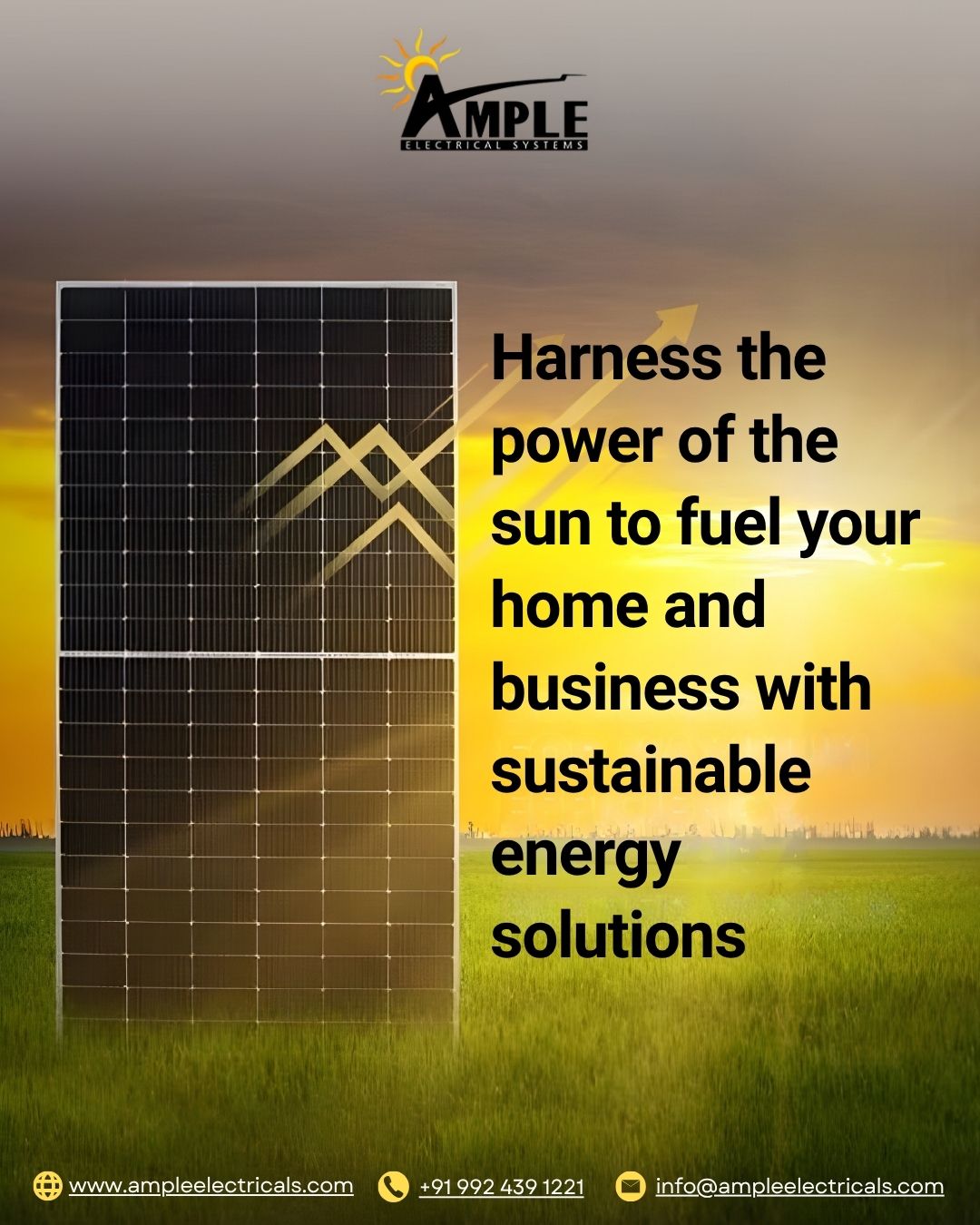
Harnessing the power of the sun is one of the smartest decisions homeowners and businesses can make for a sustainable future. Solar energy provides clean, renewable electricity while reducing energy costs, increasing energy independence, and supporting environmental responsibility. With advanced technology, long operational life, and excellent financial returns, solar power systems are transforming the way we generate and consume energy. Investing in sustainable solar energy solutions today ensures long-term savings and a greener tomorrow for future generations.