

Introduction
ampleelectricals The growing adoption of solar energy has encouraged governments to introduce various support programs that help homeowners install solar systems at reduced costs. These initiatives aim to promote renewable energy usage while reducing dependence on conventional electricity sources.
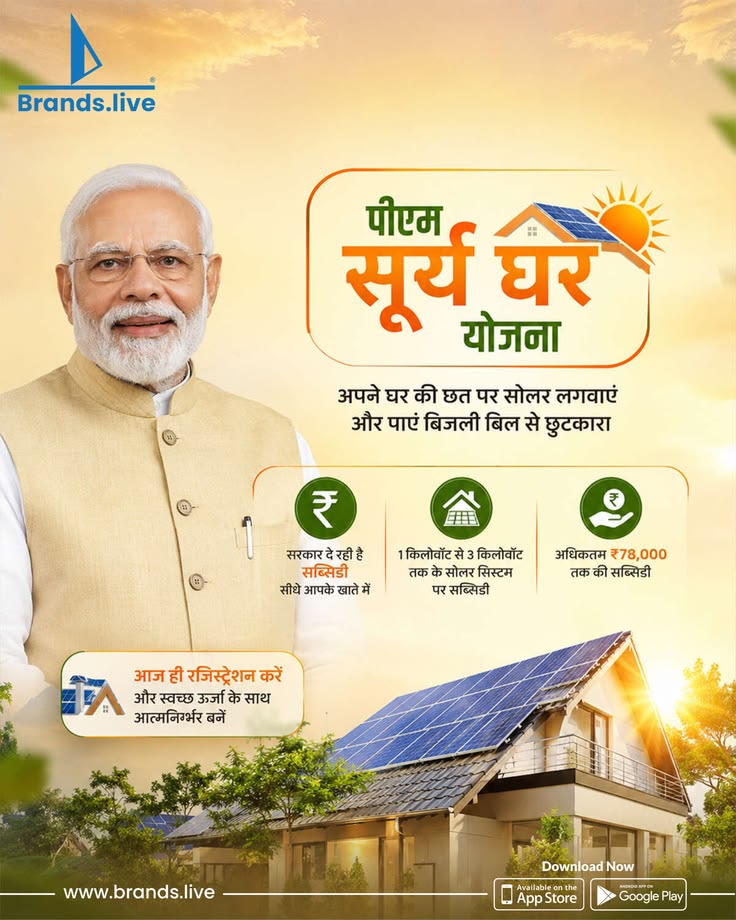
A government solar subsidy for home installations can significantly lower the initial investment required for rooftop solar systems. By offering financial assistance, these programs make solar energy more accessible and affordable for residential users.
This guide explains the benefits of solar subsidies, eligibility requirements, application procedures, and factors homeowners should consider before installing a solar system.
Table of Contents
| Sr. No. | Topics |
|---|---|
| 1 | Introduction to Solar Subsidies |
| 2 | What is a Government Solar Subsidy? |
| 3 | Key Features |
| 4 | Benefits for Homeowners |
| 5 | Eligibility Criteria |
| 6 | Subsidy Structure Overview |
| 7 | Application Process |
| 8 | Documents Required |
| 9 | Factors to Consider Before Installation |
| 10 | Common Challenges and Solutions |
| 11 | Conclusion |
| 12 | FAQs |
Introduction to Solar Subsidies
Governments across various regions encourage the use of renewable energy by offering financial incentives for residential solar installations. These initiatives help reduce installation costs and increase access to clean energy solutions.
Solar subsidy programs have become an important factor in accelerating rooftop solar adoption among homeowners.
What is a Government Solar Subsidy?
A government solar subsidy is financial assistance provided to eligible homeowners for installing approved rooftop solar systems.
The subsidy amount is generally linked to the system capacity and compliance with specified installation standards.
Main Objective
Promote renewable energy adoption
Reduce household electricity expenses
Encourage sustainable development
Support energy independence
Reduce environmental impact
Key Features
Financial Assistance
Helps reduce the upfront cost of solar installation.
Renewable Energy Promotion
Encourages the use of clean and sustainable power sources.
Residential Focus
Designed specifically for homeowners and residential properties.
Long-Term Savings
Supports lower electricity expenses over the life of the system.
Grid Integration
Many subsidy-supported systems can connect with the utility grid.
Benefits for Homeowners
Reduced Installation Cost
Subsidy programs lower the initial investment required for solar adoption.
Lower Electricity Bills
Solar-generated power can offset a significant portion of household energy consumption.
Improved Return on Investment
Financial assistance can shorten the payback period.
Environment-Friendly Energy
Solar systems generate electricity without direct emissions.
Increased Property Appeal
Homes with solar installations often attract greater buyer interest.
Eligibility Criteria
Before applying, homeowners should verify eligibility requirements.
Residential Property Ownership
The applicant should generally own the property where the solar system will be installed.
Approved Equipment
Only approved solar components may qualify for subsidy benefits.
Authorized Installation
Installation should typically be completed through recognized vendors or agencies.
Technical Compliance
The solar system must meet specified standards and guidelines.
Subsidy Structure Overview
| System Capacity | Subsidy Availability |
| Small Residential Systems | Available as per applicable guidelines |
| Medium Residential Systems | Subject to program limits |
| Larger Residential Systems | Eligibility may vary |
Subsidy amounts and conditions may change based on current government policies.
Application Process
System Selection
Choose an appropriate solar system based on household energy needs.
Vendor Selection
Select an authorized installer or approved service provider.
Application Submission
Complete the required application process through the designated platform.
Installation Process
The solar system is installed according to applicable standards.
Inspection and Verification
Authorities may inspect the installation before subsidy approval.
Benefit Disbursement
Eligible subsidy amounts are processed after successful verification.
Documents Required
Identity Proof
Valid identification documents may be required.
Address Proof
Proof of residence or property ownership.
Electricity Bill
Recent utility bill for reference and verification.
Bank Details
Required for subsidy-related transactions where applicable.
Installation Documents
Technical and installation-related paperwork.
Factors to Consider Before Installation
Roof Condition
Ensure adequate structural strength and available installation area.
Sunlight Availability
Maximum exposure improves energy generation efficiency.
Energy Consumption
Choose a system size that matches household electricity requirements.
Future Energy Needs
Consider potential increases in power consumption.
Maintenance Requirements
Understand long-term maintenance responsibilities.
Common Challenges and Solutions
Limited Roof Space
Use efficient panel layouts to maximize available area.
Budget Constraints
Explore financing options in addition to available subsidies.
Technical Selection
Seek professional guidance for system sizing and equipment selection.
Approval Delays
Ensure all documents are submitted accurately and completely.
Why Homeowners Choose Solar Energy
Solar energy provides an opportunity to reduce electricity expenses while contributing to environmental sustainability. Government support programs further improve affordability, making rooftop solar a practical option for many households.
With technological advancements and growing awareness, residential solar adoption continues to increase across urban and rural areas.
Conclusion
Government solar subsidy programs help homeowners transition to renewable energy by reducing installation costs and improving affordability. Combined with long-term electricity savings and environmental benefits, these initiatives make rooftop solar an attractive investment for residential properties.
Before proceeding with installation, homeowners should review eligibility requirements, evaluate energy needs, and work with qualified professionals to ensure a smooth and successful solar project.
Check this :- https://www.indiamart.com/
FAQs
What is a government solar subsidy for home installations?
It is financial assistance provided to eligible homeowners for installing approved rooftop solar systems.
Who can apply for a residential solar subsidy?
Eligibility generally depends on property ownership, system specifications, and compliance with program requirements.
Does a solar subsidy reduce installation costs?
Yes, subsidy programs are intended to lower the overall investment required for solar adoption.
Can all solar systems qualify for subsidies?
Eligibility may depend on approved equipment, installer authorization, and applicable guidelines.
Is rooftop solar suitable for every home?
Suitability depends on roof condition, available space, and sunlight exposure.
How long does the application process take?
The timeline varies depending on verification procedures and local administrative processes.
Does a solar system require regular maintenance?
Basic cleaning and periodic inspections are generally recommended for optimal performance.
Why are governments promoting residential solar installations?
The primary goals include encouraging renewable energy use, reducing emissions, and supporting sustainable development.