
Introduction
As energy costs continue to rise and environmental sustainability becomes a global priority, businesses are increasingly turning toward Commercial Solar Power Solutions to reduce electricity expenses and adopt cleaner energy practices. Commercial solar systems provide organizations with an efficient and sustainable way to generate electricity while improving long-term operational savings and environmental responsibility.
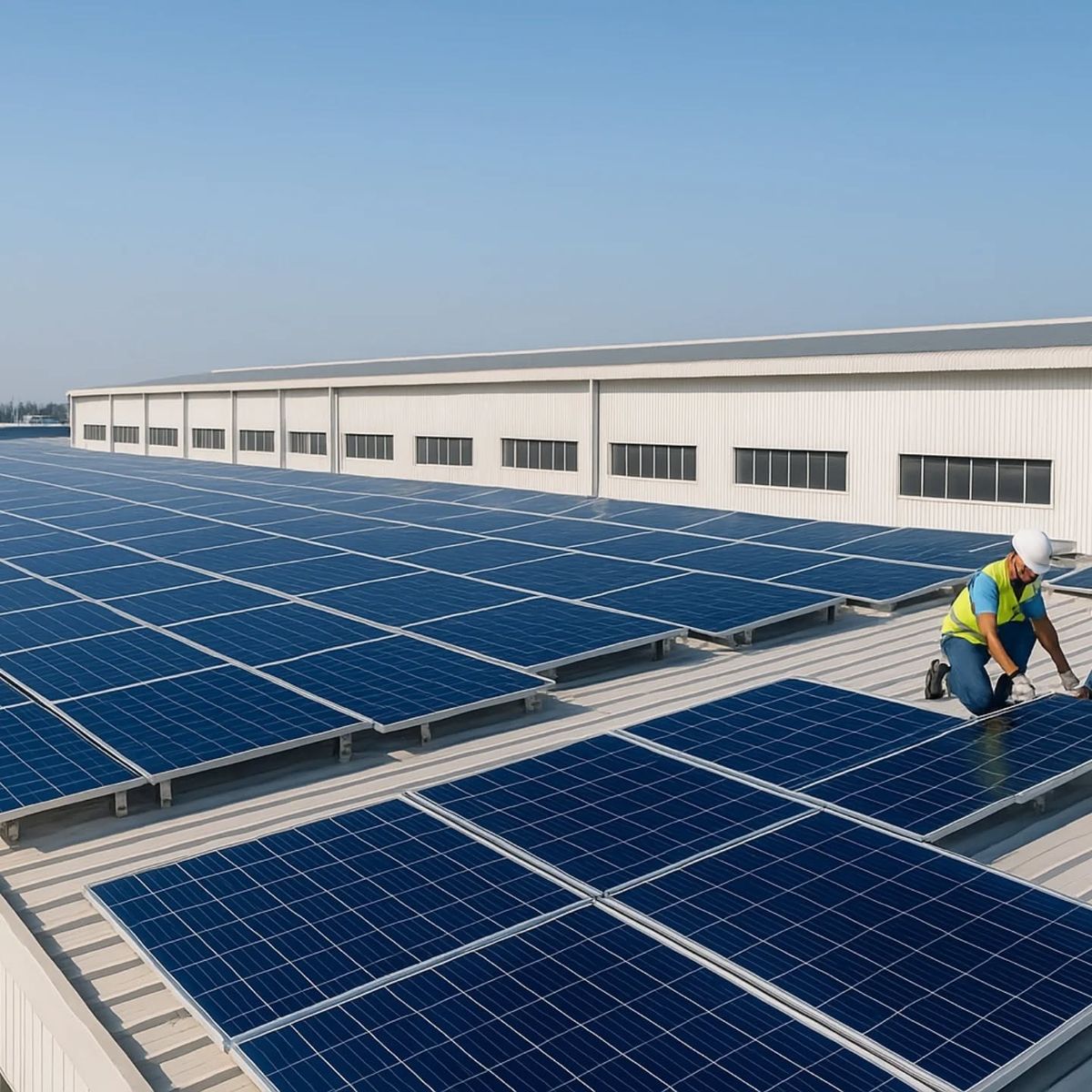
Commercial Solar Power Solutions involve the installation of solar energy systems for offices, shopping malls, factories, warehouses, hotels, hospitals, educational institutions, and other commercial properties. These systems use solar photovoltaic (PV) technology to convert sunlight into electricity, helping businesses reduce dependence on traditional power grids and fossil fuels.
Modern commercial solar systems are designed to support high energy demands while offering advanced energy management capabilities, smart monitoring systems, and long-term reliability. Professional solar solution providers offer complete services including system design, solar panel installation, inverter setup, maintenance, energy audits, and performance monitoring.
This blog provides a complete overview of Commercial Solar Power Solutions, including their importance, components, installation process, benefits, maintenance practices, cost-saving advantages, smart technologies, government incentives, and future trends in commercial renewable energy systems.
Table of Contents
1. What is a Commercial Solar Power Solution?
2. Importance of Commercial Solar Energy
3. Components of Commercial Solar Systems
4. Types of Commercial Solar Power Systems
5. Commercial Solar Installation Process
6. Benefits of Commercial Solar Power Solutions
7. Energy Management & Smart Solar Technologies
8. Commercial Solar Maintenance & Safety
9. Government Incentives & Financial Benefits
10. Challenges in Commercial Solar Installation
11. Future of Commercial Solar Energy
12. Conclusion
13. Frequently Asked Questions (FAQs)
What is a Commercial Solar Power Solution?
Commercial Solar Power Solution refers to the installation and management of solar energy systems designed specifically for commercial and industrial properties. These systems generate electricity using solar panels installed on rooftops, parking structures, or ground-mounted installations.
Commercial solar systems help businesses reduce electricity costs, improve energy efficiency, and support sustainability goals by utilizing renewable solar energy.
Main Objectives of Commercial Solar Systems
- Generate renewable electricity
- Reduce operational energy costs
- Improve energy efficiency
- Support environmental sustainability
- Reduce dependence on utility power grids
- Provide long-term financial savings
- Improve corporate environmental responsibility
Commercial solar solutions help businesses achieve stable and sustainable energy management.
Importance of Commercial Solar Energy
Commercial establishments consume large amounts of electricity daily for lighting, HVAC systems, machinery, servers, and operational equipment. Solar power provides a cost-effective and environmentally friendly alternative to conventional electricity sources.
Why Commercial Solar Energy is Important
- Reduces electricity expenses
- Lowers carbon emissions
- Supports clean energy initiatives
- Protects businesses from rising energy costs
- Enhances energy independence
- Improves brand reputation for sustainability
- Supports long-term business growth
Commercial solar power systems contribute to both operational efficiency and environmental protection.
Components of Commercial Solar Systems
Commercial solar power systems consist of several components that work together to generate and manage electricity efficiently.
Key Components Include
- Solar photovoltaic (PV) panels
- Solar inverters
- Mounting structures
- Electrical wiring systems
- Monitoring systems
- Battery storage systems
- Net metering systems
- Energy management software
Each component plays an important role in maintaining efficient and reliable solar power generation.
Types of Commercial Solar Power Systems
On-Grid Solar Systems
Connected to the utility grid and allow businesses to export excess electricity through net metering.
Off-Grid Solar Systems
Operate independently with battery storage systems for complete energy independence.
Hybrid Solar Systems
Combine grid connectivity and battery backup for uninterrupted power supply.
Ground-Mounted Solar Systems
Installed on open land areas when rooftop space is limited.
Solar Carport Systems
Solar panels installed over parking areas to generate electricity and provide shaded parking spaces.
Commercial Solar Installation Process
Professional installation ensures safe operation, maximum efficiency, and long-term system reliability.
Installation Process Includes
- Site inspection and energy assessment
- Electricity consumption analysis
- System design and engineering
- Solar panel selection
- Structural evaluation
- Mounting and wiring installation
- Inverter setup and testing
- Grid connectivity and net metering
- Safety inspections and commissioning
Proper installation improves energy generation performance and operational efficiency.
Benefits of Commercial Solar Power Solutions
Commercial solar systems provide several financial, environmental, and operational advantages.
Reduced Electricity Costs
Businesses can significantly lower monthly energy expenses.
Long-Term Financial Savings
Solar systems provide continuous savings over many years.
Environmental Sustainability
Solar energy reduces greenhouse gas emissions and environmental impact.
Energy Independence
Businesses become less dependent on traditional electricity providers.
Low Maintenance Requirements
Modern solar systems require minimal maintenance.
Improved Corporate Image
Using renewable energy enhances brand reputation and sustainability goals.
Increased Property Value
Commercial properties with solar systems often have higher market value.
Energy Management & Smart Solar Technologies
Modern commercial solar systems use advanced technologies for monitoring and optimizing energy usage.
Smart Solar Features Include
- Real-time energy monitoring
- AI-based performance analysis
- Smart energy dashboards
- Automated fault detection
- Remote system management
- IoT-enabled solar monitoring
- Battery optimization systems
Smart technologies improve system efficiency and simplify energy management.
Commercial Solar Maintenance & Safety
Routine maintenance is important for ensuring efficient and safe solar system operation.
Maintenance Activities Include
- Solar panel cleaning
- Inverter inspections
- Wiring and connection checks
- Battery maintenance
- Performance monitoring
- Thermal inspections
- Preventive maintenance schedules
Safety Measures Include
- Electrical grounding systems
- Fire protection systems
- Surge protection devices
- Weather-resistant installations
- Emergency shutdown systems
Professional maintenance helps maximize system lifespan and operational reliability.
Government Incentives & Financial Benefits
Governments across many regions offer financial incentives to encourage commercial solar adoption.
Common Incentives Include
- Solar installation subsidies
- Tax credits and rebates
- Accelerated depreciation benefits
- Net metering programs
- Renewable energy grants
- Low-interest financing options
These incentives help reduce installation costs and improve return on investment.
Challenges in Commercial Solar Installation
Although commercial solar systems provide many benefits, some challenges may arise during implementation.
Common Challenges Include
- High initial investment costs
- Roof space limitations
- Structural compatibility issues
- Weather dependency
- Battery storage expenses
- Regulatory approvals and permits
Professional solar consultants help businesses overcome these challenges effectively.
Future of Commercial Solar Energy
The future of commercial solar energy is driven by innovation, smart technologies, and sustainability goals.
Future Trends Include
- High-efficiency solar panels
- Smart grid integration
- AI-powered energy analytics
- Advanced battery storage systems
- Automated solar management platforms
- Sustainable green building technologies
Future solar technologies will continue improving efficiency, affordability, and energy independence.
Conclusion
Commercial Solar Power Solutions are transforming the way businesses generate and manage electricity. By utilizing renewable solar energy, commercial organizations can reduce operational costs, improve sustainability, and achieve long-term energy efficiency.
From rooftop solar installations and energy monitoring systems to smart technologies and government incentives, commercial solar systems offer numerous financial and environmental benefits. As businesses continue focusing on sustainability and cost optimization, solar energy is becoming an essential part of modern commercial infrastructure.
Investing in professional Commercial Solar Power Solutions ensures reliable energy generation, safe installation, optimized system performance, and long-term operational savings. With continuous advancements in solar technologies, commercial solar energy will play a major role in creating a cleaner, smarter, and more sustainable future.
Frequently Asked Questions (FAQs)
1. What is a Commercial Solar Power Solution?
It is a solar energy system designed for commercial buildings and businesses to generate electricity using sunlight.
2. What are the benefits of commercial solar systems?
They reduce electricity costs, improve sustainability, increase energy independence, and provide long-term savings.
3. How do commercial solar panels work?
Solar panels capture sunlight and convert it into electrical energy using photovoltaic technology.
4. Are government incentives available for commercial solar systems?
Yes, many governments offer subsidies, tax benefits, rebates, and financing programs for solar installations.
5. How long do commercial solar panels last?
Most commercial solar panels have a lifespan of 20 to 25 years with proper maintenance.
6. Do commercial solar systems require maintenance?
Yes, regular cleaning, inspections, and performance monitoring help maintain system efficiency.
7. What is net metering in commercial solar systems?
Net metering allows businesses to export excess electricity to the utility grid and receive energy credits.
8. Can solar power support large commercial operations?
Yes, commercial solar systems are designed to handle high energy demands for businesses and industries.