

Introduction
Climate change, air pollution, and increasing energy consumption have become major global concerns. Traditional electricity generation relies heavily on fossil fuels such as coal, oil, and natural gas, which contribute significantly to greenhouse gas emissions and environmental degradation. As the demand for electricity continues to rise, the need for cleaner and more sustainable energy solutions has never been greater.
Solar energy is one of the most effective ways to reduce pollution while meeting growing energy needs. By harnessing the power of the sun, individuals and businesses can generate clean electricity, lower energy costs, and contribute to a healthier environment. Every solar panel installed represents a step toward a cleaner future and a reduction in dependence on polluting energy sources.
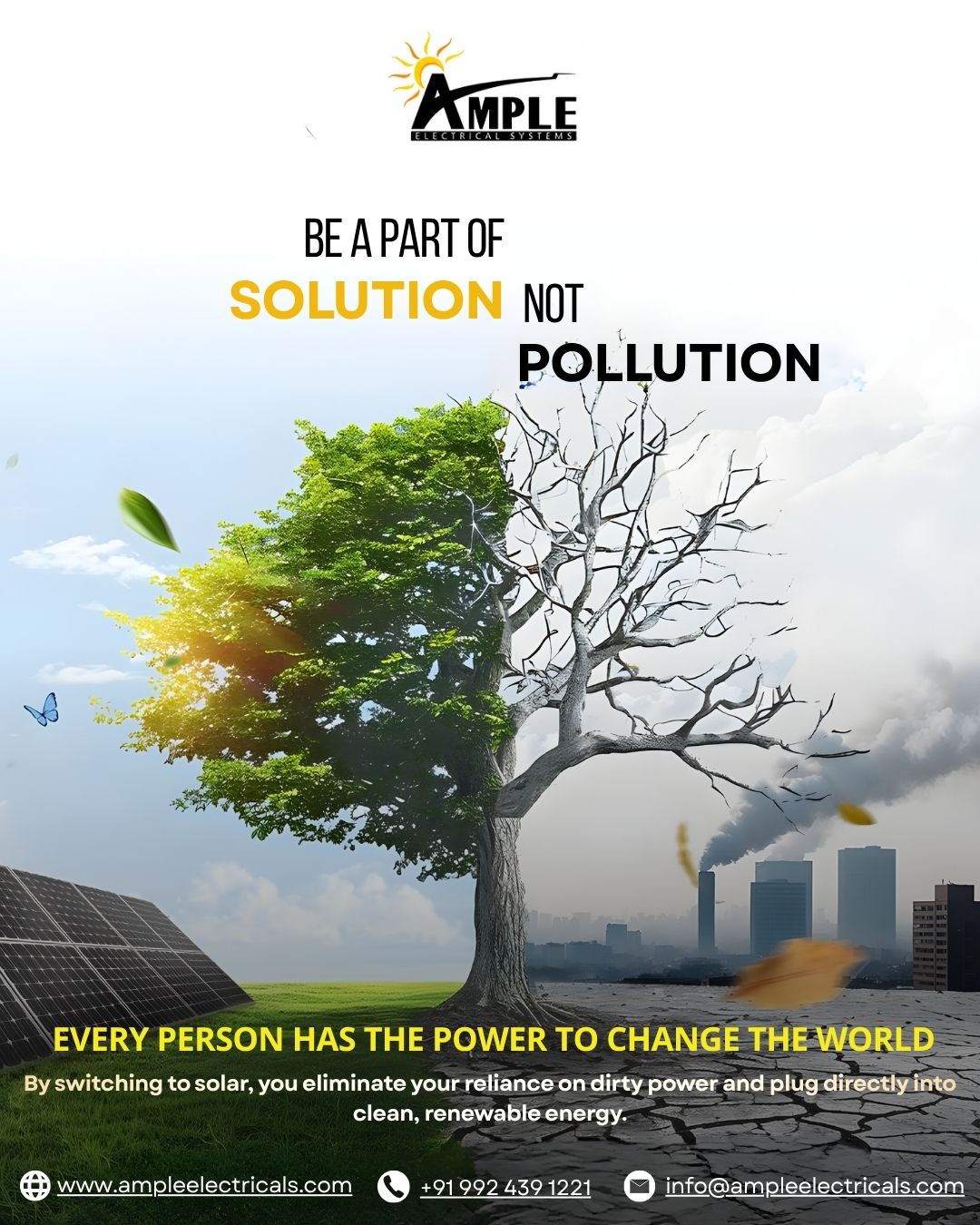
Choosing solar power means becoming part of the solution rather than contributing to pollution. It is an investment that benefits not only the owner but also future generations by supporting a more sustainable and environmentally responsible world.
Table of Contents
- Understanding Solar Energy
- Why Pollution is a Growing Concern
- How Solar Energy Helps the Environment
- Key Features of Solar Energy Systems
- Environmental Benefits of Solar Power
- Financial Benefits of Going Solar
- Applications of Solar Energy
- Solar Installation Process
- Government Support for Solar Adoption
- Solar Energy Facts
- Frequently Asked Questions
- Conclusion
Understanding Solar Energy
What is Solar Energy?
Solar energy is a renewable source of power generated from sunlight using photovoltaic (PV) technology. Solar panels absorb sunlight and convert it into electricity that can be used in homes, offices, schools, hospitals, industries, and commercial buildings.
Unlike fossil fuels, solar energy does not produce harmful emissions during electricity generation, making it one of the cleanest energy sources available today.
Why Pollution is a Growing Concern
Air Pollution
Power plants that burn coal and other fossil fuels release harmful pollutants into the atmosphere, affecting air quality and public health.
Climate Change
Greenhouse gas emissions contribute to rising global temperatures, extreme weather events, and environmental instability.
Resource Depletion
Traditional energy sources are finite and continue to become more expensive as demand increases.
Environmental Damage
Mining, drilling, and fuel transportation activities can damage ecosystems and natural habitats.
How Solar Energy Helps the Environment
Reduces Carbon Emissions
Solar power generates electricity without releasing carbon dioxide and other harmful greenhouse gases.
Conserves Natural Resources
Solar energy relies on sunlight, an abundant and renewable resource.
Improves Air Quality
Replacing fossil fuel-generated electricity with solar power helps reduce air pollution.
Supports Sustainable Development
Solar energy promotes long-term environmental sustainability while meeting energy demands.
Key Features of Solar Energy Systems
Clean and Renewable Energy
Solar systems generate electricity without polluting the environment.
Long Operational Life
Most solar panels are designed to perform efficiently for 25 to 30 years.
Low Maintenance
Solar systems require minimal maintenance compared to conventional energy systems.
Cost Savings
Users can significantly reduce electricity bills over time.
Energy Independence
Solar power reduces dependence on traditional utility providers.
Smart Monitoring
Modern systems allow real-time monitoring of energy production and consumption.
Environmental Benefits of Solar Power
| Environmental Benefit | Impact |
|---|---|
| Reduced Carbon Emissions | Cleaner atmosphere |
| Lower Air Pollution | Improved public health |
| Renewable Energy Source | Sustainable electricity generation |
| Reduced Fossil Fuel Dependence | Conservation of natural resources |
| Lower Environmental Footprint | Protection of ecosystems |
Financial Benefits of Going Solar
| Benefit | Advantage |
|---|---|
| Reduced Electricity Bills | Long-term savings |
| Increased Property Value | Better market appeal |
| Government Subsidies | Lower installation costs |
| Low Maintenance Costs | Reduced operating expenses |
| High Return on Investment | Faster payback period |
Applications of Solar Energy
Residential Homes
Homeowners can reduce electricity costs and increase energy independence.
Schools and Colleges
Educational institutions can lower utility expenses while promoting sustainability.
Hospitals
Healthcare facilities can benefit from reliable and cost-effective energy.
Commercial Buildings
Businesses can reduce operational expenses through solar installations.
Manufacturing Facilities
Industries can lower production costs by generating their own electricity.
Solar Installation Process
Site Assessment
Experts evaluate available space and sunlight exposure.
Energy Analysis
Electricity consumption patterns are reviewed.
System Design
A customized solar solution is created.
Installation
Panels, inverters, and electrical components are installed.
Testing and Activation
The system is tested and commissioned for operation.
Monitoring and Maintenance
Performance is monitored to ensure maximum efficiency.
Government Support for Solar Adoption
The Government of India actively promotes solar energy adoption through various renewable energy initiatives.
Available benefits may include:
- Rooftop solar subsidies
- Net metering programs
- Reduced installation costs
- Clean energy incentives
- Support for residential and commercial projects
Official Government Resources:
PM Surya Ghar Yojana
Ministry of New and Renewable Energy (MNRE)
Solar Energy Facts
| Fact | Information |
|---|---|
| Solar Energy Source | Sunlight |
| Average Panel Lifespan | 25–30 Years |
| Maintenance Requirement | Low |
| Carbon Emissions | Zero During Power Generation |
| Energy Source Type | Renewable |
| Return on Investment | Typically 4–7 Years |
Frequently Asked Questions (FAQ)
Why is solar energy considered environmentally friendly?
Solar energy generates electricity without producing harmful emissions or air pollution.
Can solar energy completely replace traditional electricity?
In many cases, solar systems can significantly reduce dependence on grid electricity, especially when combined with battery storage.
How long do solar panels last?
Most solar panels have an expected lifespan of 25 to 30 years.
Is solar energy suitable for businesses?
Yes. Commercial and industrial facilities can achieve substantial cost savings with solar power.
Does solar energy work during cloudy weather?
Yes, although energy production may be lower compared to bright sunny days.
Is solar energy expensive to maintain?
No. Solar systems require very little maintenance and have low operating costs.
Can solar power help reduce climate change?
Yes. Solar energy reduces greenhouse gas emissions and helps lower dependence on fossil fuels.
Is solar energy a good long-term investment?
Absolutely. Solar power provides long-term savings, environmental benefits, and energy security.
Conclusion
Every individual, business, and organization has the opportunity to make a positive impact on the environment. By choosing solar energy, we can reduce pollution, lower carbon emissions, conserve natural resources, and create a cleaner future for generations to come.
Solar power is more than just an energy source—it is a commitment to sustainability and responsible living. Whether for homes, schools, hospitals, commercial buildings, or industrial facilities, solar energy offers a practical and effective solution to modern energy challenges. By switching to solar today, you become part of the solution, not pollution, while enjoying long-term financial and environmental benefits.