

Table of Contents
- Introduction
- Why Homeowners Are Switching to Solar Energy
- What Makes Solar Energy a Better Choice?
- How Solar Power Systems Work
- Key Features of Residential Solar Systems
- Benefits of Solar Energy for Homes
- Solar Power System Components
- Solar Energy vs Traditional Electricity
- Long-Term Savings with Solar Energy
- Environmental Impact of Solar Power
- Frequently Asked Questions (FAQs)
- Conclusion
Introduction
The way we power our homes is changing. Rising electricity prices and growing environmental awareness have encouraged homeowners to explore renewable energy options. Solar energy has become one of the leading solutions because it provides clean, reliable, and affordable electricity directly from sunlight.
Unlike conventional electricity that depends on fossil fuels and utility companies, solar energy allows homeowners to generate their own power. With modern solar panel technology, a home can harness sunlight throughout the day and convert it into usable electricity for lights, appliances, electronics, and more.
Solar power is not just an energy source—it is a long-term investment in your home's future.
Why Homeowners Are Switching to Solar Energy
More homeowners are investing in solar power because of its financial and environmental advantages.
Major reasons include:
- Rising electricity costs
- Desire for energy independence
- Long-term savings
- Environmental sustainability
- Government incentives and rebates
- Increased property value
Solar energy provides a practical solution that benefits both homeowners and the environment.
What Makes Solar Energy a Better Choice?
Solar energy stands out as one of the most efficient renewable energy sources available today.
Advantages include:
- Free energy from sunlight
- Renewable and sustainable power
- Reduced electricity bills
- Low maintenance requirements
- Long operational lifespan
- Reduced carbon footprint
- Increased energy security
Unlike traditional energy sources, solar power continues generating electricity without ongoing fuel costs.
How Solar Power Systems Work
Solar energy generation follows a simple process.
Sunlight is Captured
Solar panels absorb sunlight through photovoltaic (PV) cells.
Electricity is Generated
The solar cells convert sunlight into Direct Current (DC) electricity.
Power Conversion
An inverter converts DC electricity into Alternating Current (AC), which powers household appliances.
Energy Distribution
The electricity is distributed throughout the home to operate electrical devices.
Excess Energy Management
Unused energy can be stored in batteries or exported to the utility grid through net metering systems.
Key Features of Residential Solar Systems
| Feature | Benefit |
|---|---|
| Renewable Energy Source | Unlimited sunlight availability |
| Lower Electricity Bills | Significant cost savings |
| Long Lifespan | 25+ years of operation |
| Low Maintenance | Minimal servicing requirements |
| Eco-Friendly | Clean electricity generation |
| Energy Independence | Reduced reliance on utility companies |
| Silent Operation | No noise pollution |
| Scalable Design | Suitable for various home sizes |
Benefits of Solar Energy for Homes
Reduced Electricity Bills
Solar panels generate electricity directly from sunlight, lowering monthly utility expenses.
Increased Property Value
Homes with solar systems often have higher resale values.
Reliable Energy Production
Solar systems provide dependable electricity generation for decades.
Low Maintenance Costs
Solar panels require minimal maintenance compared to many traditional energy systems.
Environmental Protection
Solar power reduces greenhouse gas emissions and supports sustainability.
Energy Independence
Homeowners gain greater control over their energy consumption and costs.
Solar Power System Components
| Component | Purpose |
|---|---|
| Solar Panels | Capture sunlight and generate electricity |
| Inverter | Converts DC power into AC power |
| Battery Storage | Stores excess energy for later use |
| Mounting Structure | Supports panel installation |
| Monitoring System | Tracks system performance |
| Electrical Wiring | Safely distributes electricity |
Solar Energy vs Traditional Electricity
| Parameter | Traditional Electricity | Solar Energy |
|---|---|---|
| Energy Source | Fossil Fuels | Sunlight |
| Monthly Cost | Continuous Payments | Reduced Costs |
| Environmental Impact | Higher Emissions | Clean Energy |
| Fuel Requirement | Required | Free Sunlight |
| Sustainability | Limited | Renewable |
| Long-Term Savings | Moderate | Significant |
| Price Stability | Variable | Stable |
Long-Term Savings with Solar Energy
One of the biggest reasons homeowners switch to solar energy is financial savings.
Long-term advantages include:
- Lower electricity bills
- Protection from rising utility costs
- Increased return on investment
- Reduced dependence on external energy providers
- Long system lifespan
- Higher property value
Over time, the savings generated by solar power can significantly outweigh the initial installation costs.
Environmental Impact of Solar Power
Solar energy helps create a cleaner and more sustainable future.
Reduced Carbon Emissions
Solar systems generate electricity without producing greenhouse gases.
Cleaner Air Quality
Solar energy reduces dependence on fossil fuel-based power generation.
Conservation of Natural Resources
Renewable energy reduces the need for finite natural resources such as coal and natural gas.
Sustainable Future
Solar power supports global efforts toward environmental sustainability and clean energy adoption.
Frequently Asked Questions (FAQs)
How does solar energy power a home?
Solar panels convert sunlight into electricity, which is then used to power household appliances and systems.
Will solar panels reduce my electricity bill?
Yes. Solar energy can significantly reduce monthly electricity expenses.
How long do solar panels last?
Most solar panels operate efficiently for 25 to 30 years or more.
Do solar systems require a lot of maintenance?
No. Solar panels generally require only occasional cleaning and inspections.
Is solar energy environmentally friendly?
Yes. Solar power generates clean electricity without harmful emissions.
Can solar energy increase property value?
Homes equipped with solar systems often have higher market value.
Is solar energy a good long-term investment?
Absolutely. Solar energy provides financial savings, energy independence, and environmental benefits for many years.
Conclusion
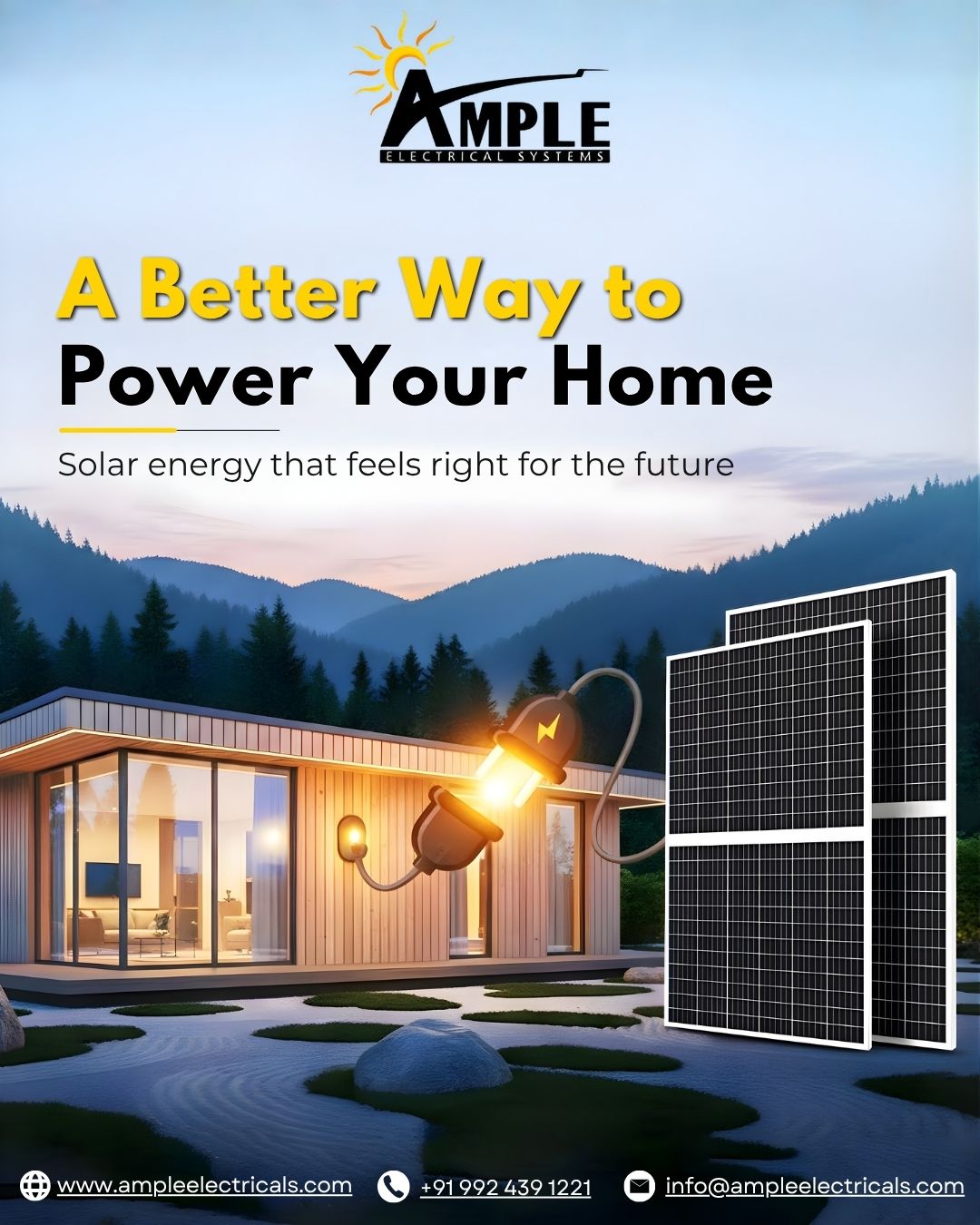
Solar energy is truly a better way to power your home. It combines cost savings, environmental sustainability, and long-term energy security into one smart solution. By harnessing free sunlight, homeowners can reduce electricity bills, increase property value, and contribute to a cleaner future.
As renewable energy continues to shape the future of residential power generation, investing in solar energy today is one of the smartest decisions homeowners can make. Whether your goal is financial savings, energy independence, or environmental responsibility, solar power offers a reliable path toward a brighter and more sustainable future.